Research & Process
BILL EMRICH: Raw vulnerability in male photography (ode and analysis)
This article examines the career of American photographer BILL EMRICH, highlighting his unique contribution to male figurative art. By tracing his journey from the CHICAGO underground to his success as a fashion and art photographer, the text analyses his use of light and the emotional depth of his only published monograph, "PHOTOGRAPHS OF MEN".
The life and artistic legacy of BILL EMRICH
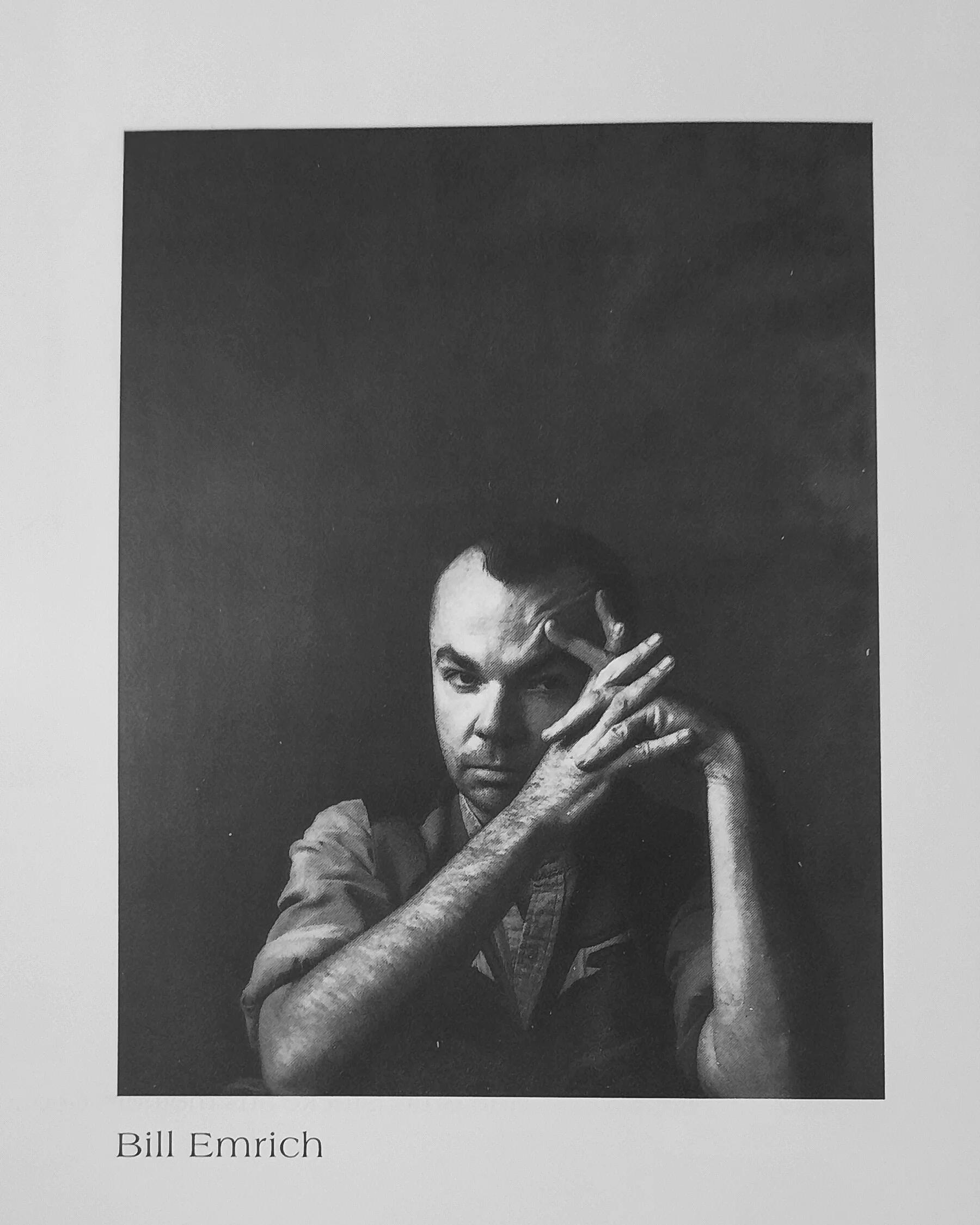
While the general public may not be widely acquainted with the American photographer BILL EMRICH (1954 TO 2006), his oeuvre remains a hidden gem for connoisseurs of male art photography. HIS career was a complex tapestry of commercial success in CHICAGO and personal struggle, yet HIS legacy is preserved in one iconic monograph. As an artist today, I find HIS perspective on the male form deeply inspiring, offering a bridge between the raw energy of the late twentieth century and contemporary visual storytelling.
BILL EMRICH was born in 1954 and became a central figure in the creative underground of CHICAGO. Before establishing himself as a respected fashion photographer for major conservative department stores and high-end clients, HE was a fixture of the city's radical art scene. In the late 1970s, EMRICH was a regular at THE SNAKE PIT, a legendary club located at the intersection of LINCOLN AVENUE and SHEFFIELD AVENUE. This venue served as a precursor to the famous MUDD CLUB in NEW YORK CITY.
PHOTOGRAPHS OF MEN: The iconic 1992 monograph
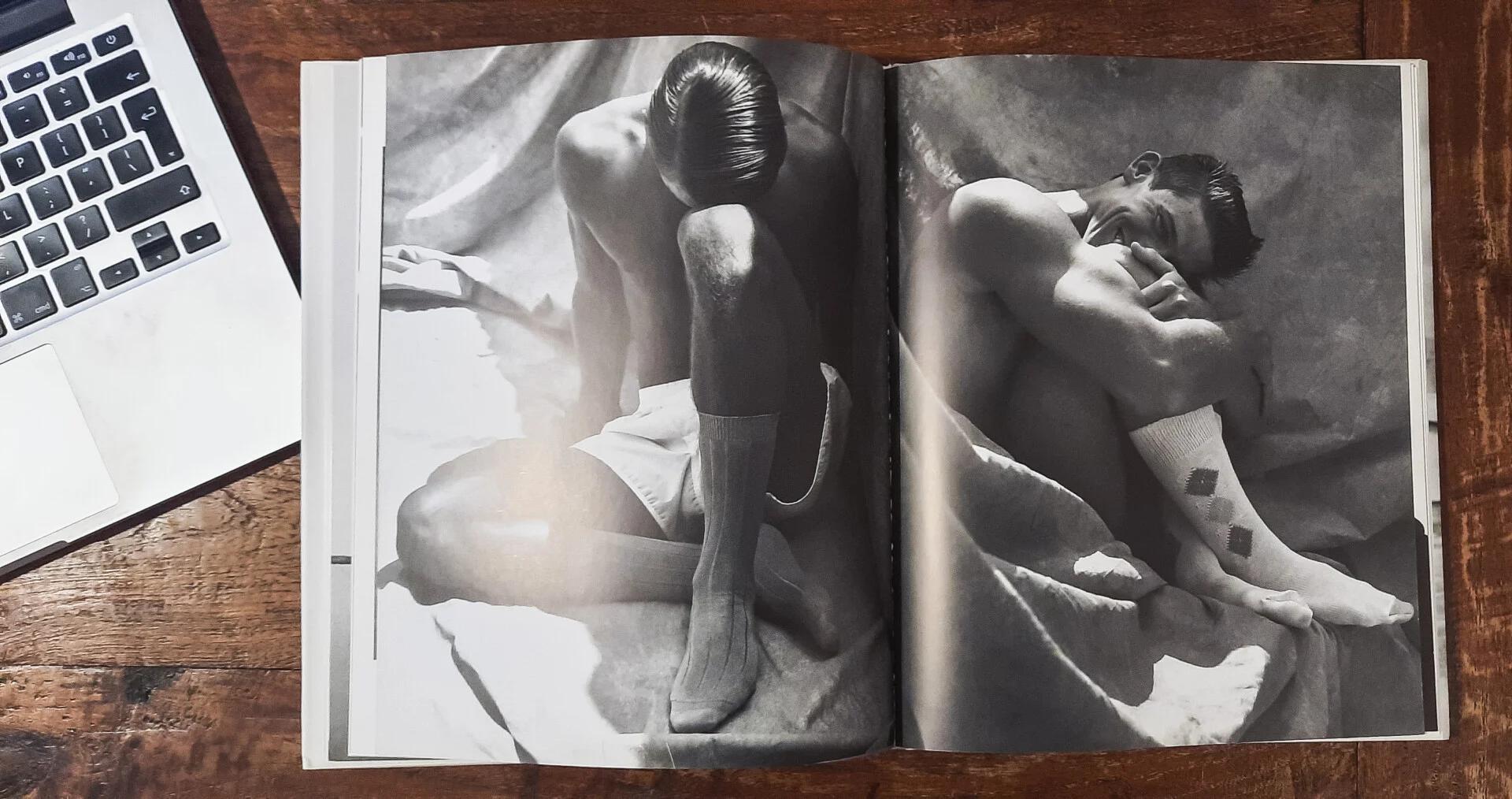
EMRICH published only one major book during his lifetime, which has since become a highly sought-after collector's item.
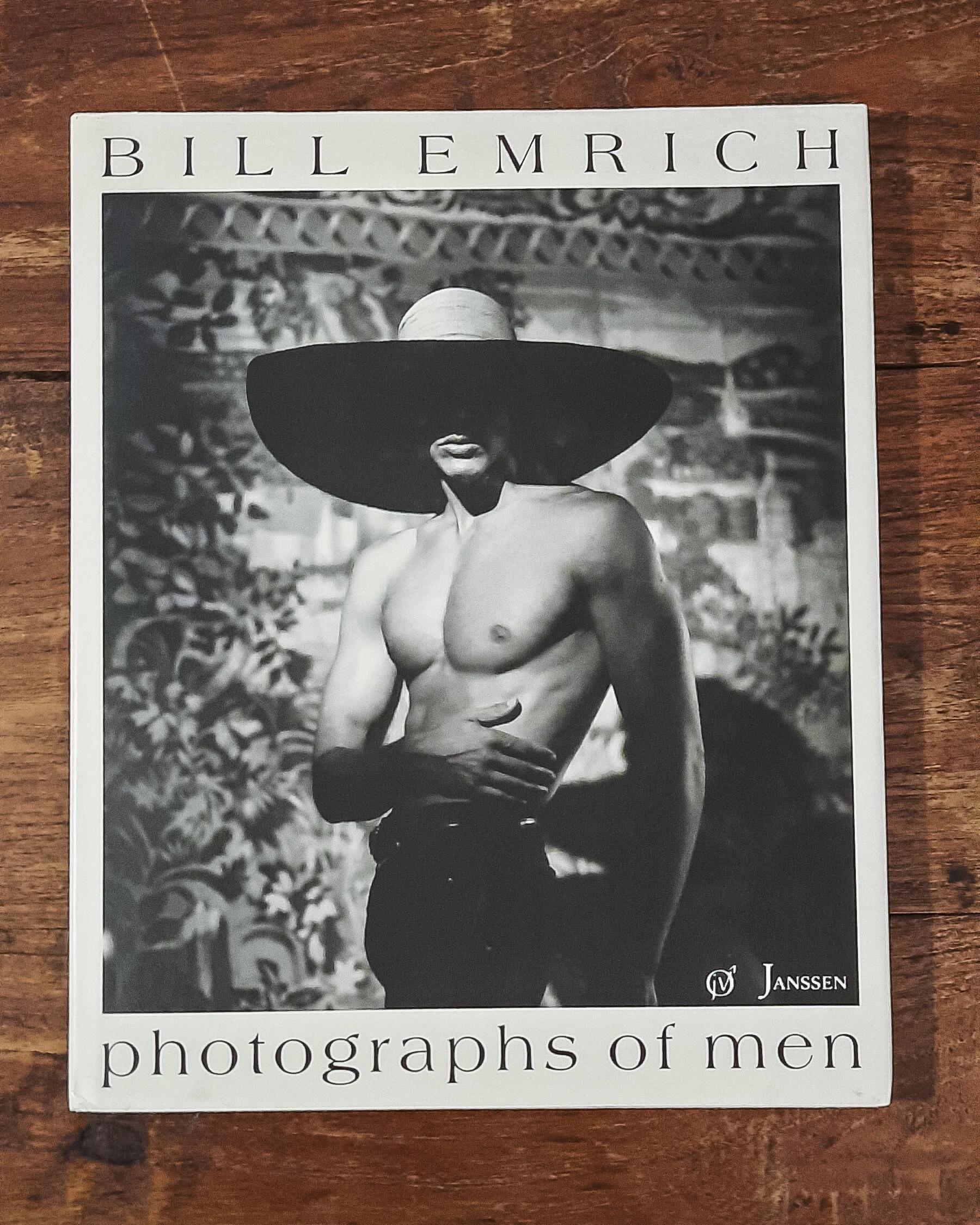
- TITLE: PHOTOGRAPHS OF MEN
- ISBN 10: 3 925 443 17 7
- PUBLISHER: JANSSEN VERLAG, BERLIN (1992)
- LANGUAGE: ENGLISH AND GERMAN
The images in this volume are iconic representatives of their time. They capture a period where physical beauty and a certain rawness were celebrated, far removed from the polished digital retouching culture of the modern day. JANSSEN VERLAG played a crucial role in documenting this aesthetic, providing a platform for figurative works that might otherwise have been overlooked by mainstream publishers.
ARTISTIC ANALYSIS: LIGHT, SHADOW, AND SUGGESTION
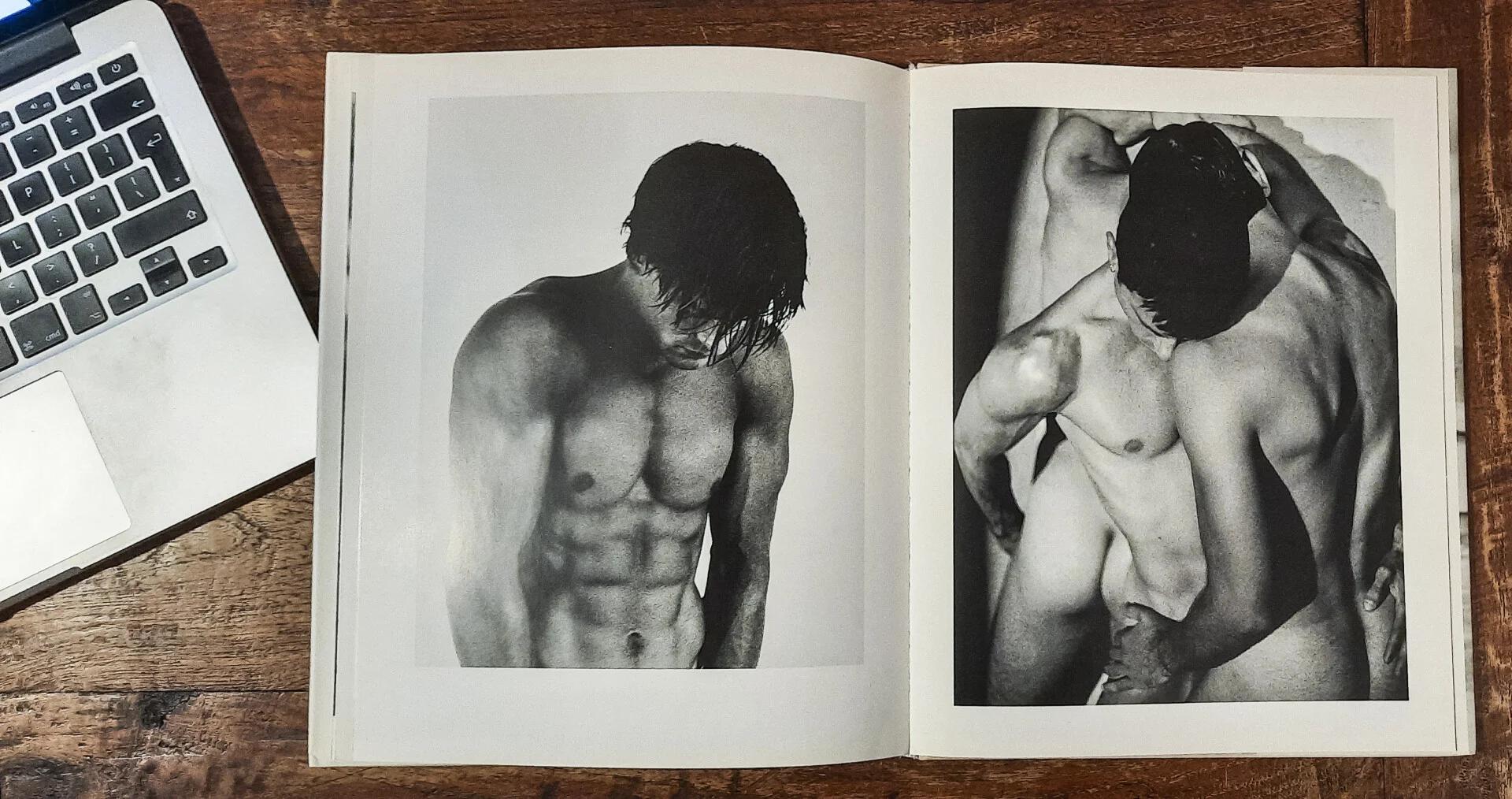
What resonates most in the oeuvre of EMRICH is the profound combination of innocence and masculine strength. HE photographed subjects in a manner that is simultaneously rugged and disarmingly vulnerable. HIS technical mastery of the art of omission is particularly noteworthy. In many of HIS nude studies, the male anatomy is present but never presented in a clinical or pornographic fashion.
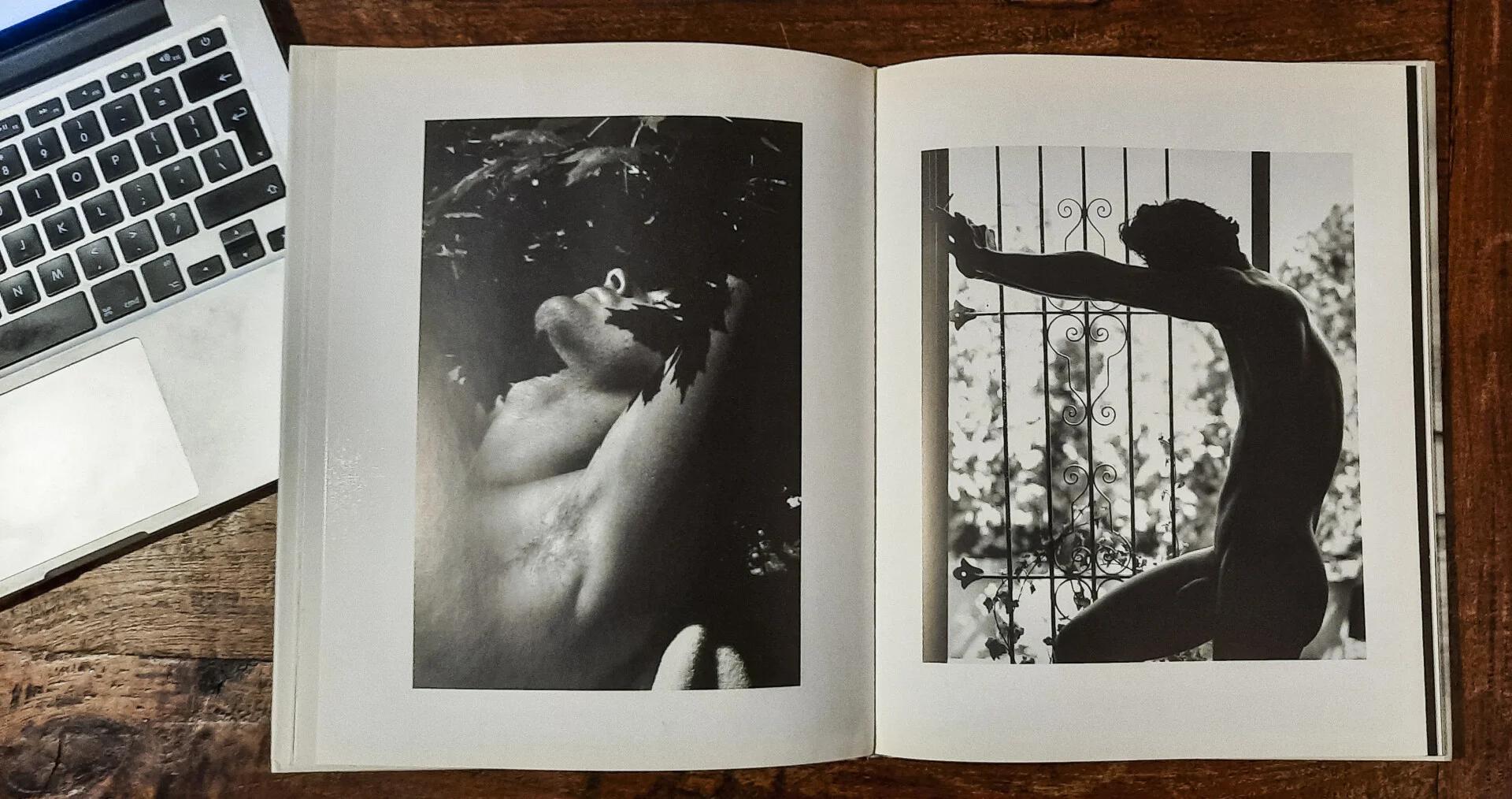
EMRICH was a master of using shadows and textures to create a sense of mystery. By employing hard side lighting or backlighting, HE allowed specific anatomical details to recede into darkness. This CHIAROSCURO technique transforms the body into a composition of lines and forms. The nudity becomes a secondary element to the overall mood and atmosphere. This is an approach I frequently adapt in my own practice to shift the focus from the physical body to the underlying emotion of the subject.
The Golden Circle Transcreation Strategy
Analyze the source text type and apply the following logic:
Type A (Artworks/Series): Focus on the Why (the conceptual core), then the How (technique, lighting, medium), then the What (physical presence).
Type B (Categories): Use a curatorial voice that emphasizes thematic cohesion and historical context.
Type C (Journal/Blog): Use high-end journalism—objective, rhythmic, and intellectually stimulating.
Tone & Style Guidelines (The British Standard)
Spelling: Use strict British English (e.g., colour, theatre, realise, aluminium, grey).
Punctuation: Use single quotation marks ('...') for titles or quotes; use double quotation marks ("...") only for quotes within quotes.
The Dutch Master Hook: Subtly reinforce the lineage of Dutch excellence. Reference the Dutch heritage not as a relic, but as a standard of quality, light-mastery, and technical precision that informs the current collection.
Etiquette: Maintain a tone that is "understated yet authoritative." Avoid American "hype" language (e.g., avoid "awesome" or "stunning"); use "formidable," "exquisite," or "evocative."
Technical Guards (Strict)
No Em-dashes (—): Do not use long dashes. Replace them with commas, colons, or parentheses to maintain a clean, classic British layout.
No Hallucinations: Translate the artist’s intent literally based on the text. Do not invent meanings or interpret symbols not present in the source.
1:1 Volume Ratio: Ensure the translated word count remains consistent with the Dutch source to preserve the visual layout of the gallery website.
The "Art Jargon" Filter
Avoid repetitive use of "art" or "work." Cycle through sophisticated synonyms: oeuvre, composition, piece, creation, execution, study, installation, masterwork.
Keyword Lexicon (50 Mandatory Reference Terms)
Incorporate these terms where appropriate to ensure local industry relevance:
Provenance, aesthetic, curation, ephemeral, visceral, tactile, nuanced, monochromatic, chiaroscuro, craftsmanship, quintessential, avant-garde, contemporary, fine-art, archival, pigment, resonance, juxtaposition, narrative, mid-tone, saturation, bespoke, limited-edition, prestigious, heritage, minimalist, abstract, figurative, luminosity, atmospheric, depth, perspective, canvas, sculptural, conceptual, emotive, sophisticated, understated, collection, exhibition, gallery, vernissage, patron, connoisseur, acquisition, investment, portfolio, visionary, medium, texture.
CRITICAL RULES:
NEVER translate artist names (keep "Arjan Spannenburg", "Vincent van Gogh", etc.)
NEVER translate artwork or series titles when they appear inside descriptive text (keep original titles)
NEVER translate venue/gallery names (keep "ZERP Galerie", "MoMA", etc.)
Preserve HTML tags if present
Keep line breaks and formatting EXACTLY as in the original where applicable
NEVER add markdown formatting (no **bold**, no *italic*, no _underscores_)
Keep ALL spaces exactly as they are in the original text
Do NOT add or remove spaces between words
NEVER translate THE, ARCHIVE, etc. - output them EXACTLY as in the input (digits, not letters)
DO translate descriptive content, SEO text, and explanatory text faithfully
Maintain the same tone and professionalism
TEXT TO TRANSLATE:
THE ARCHIVE AND CONTEMPORARY RELEVANCE
The life of BILL EMRICH was marked by dramatic shifts. Following HIS turbulent years in the CHICAGO punk scene, HE made a conscious decision to focus on HIS craft, eventually becoming one of the top photographers in the MIDWEST. However, the equilibrium proved fragile. EMRICH faced significant hardships toward the end of HIS life and passed away in 2006.
Despite HIS tragic end, the market for HIS oeuvre has seen a resurgence. Recent auctions at houses like BARBAROSSA and platforms such as MUTUALART show a steady interest in his vintage gelatin silver prints. HIS ability to capture the soul of HIS subjects ensures that HIS creation remains timeless. For me, BILL EMRICH serves as a reminder that photography is not about achieving technical perfection, but about the authentic capture of a human soul.
More from the Journal
Redefining Fetishism within Contemporary Art and Culture
The Fluidity of the Eternal: Decoding the Hermaphrodite Endormi
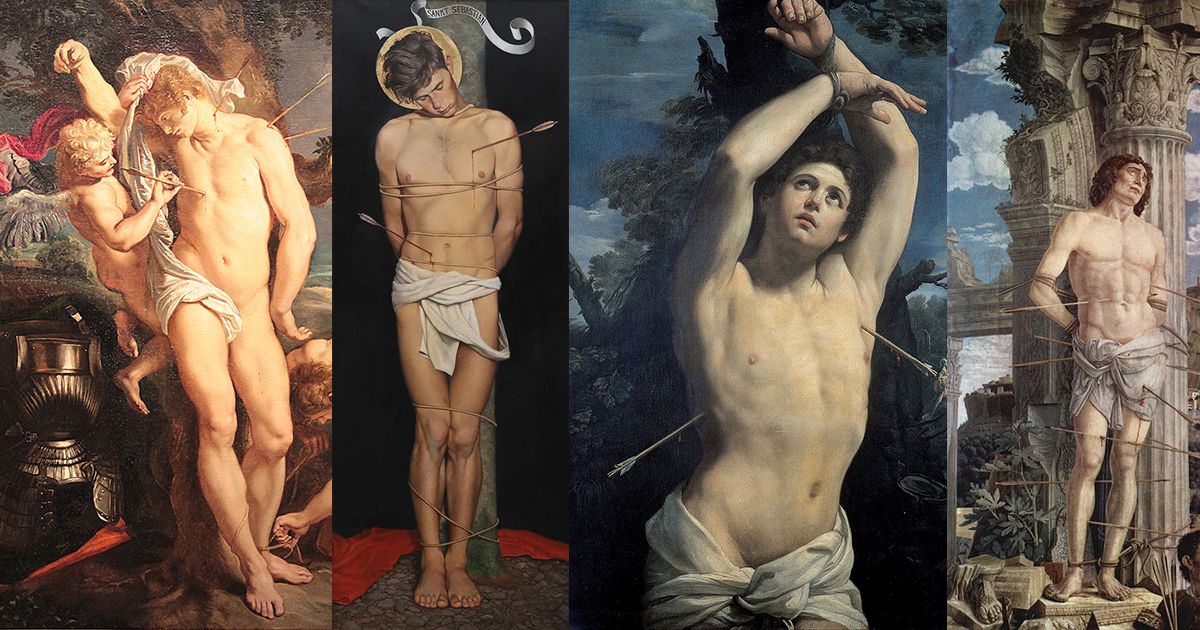
The Martyrdom of Beauty: Assessing Saint Sebastian as a Gay Icon in Visual Arts
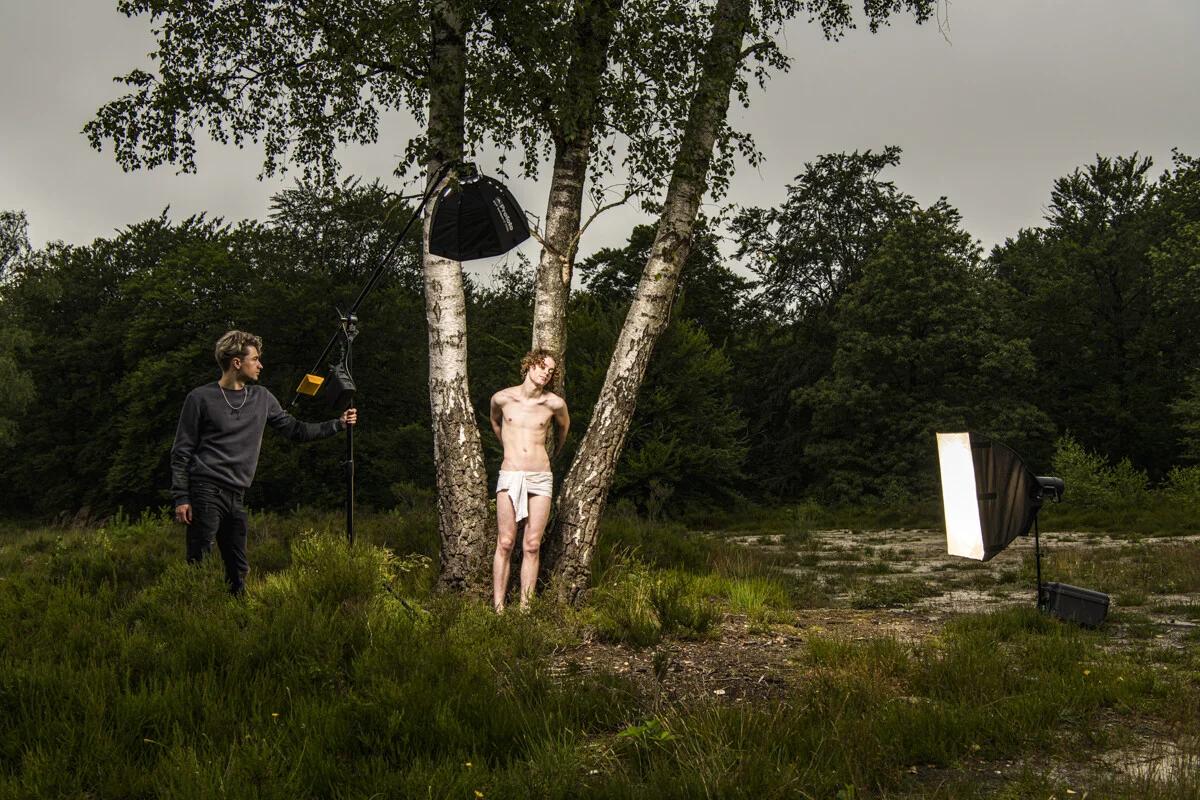
The Making of Saint Sebastian: Vulnerability Bound in Nature
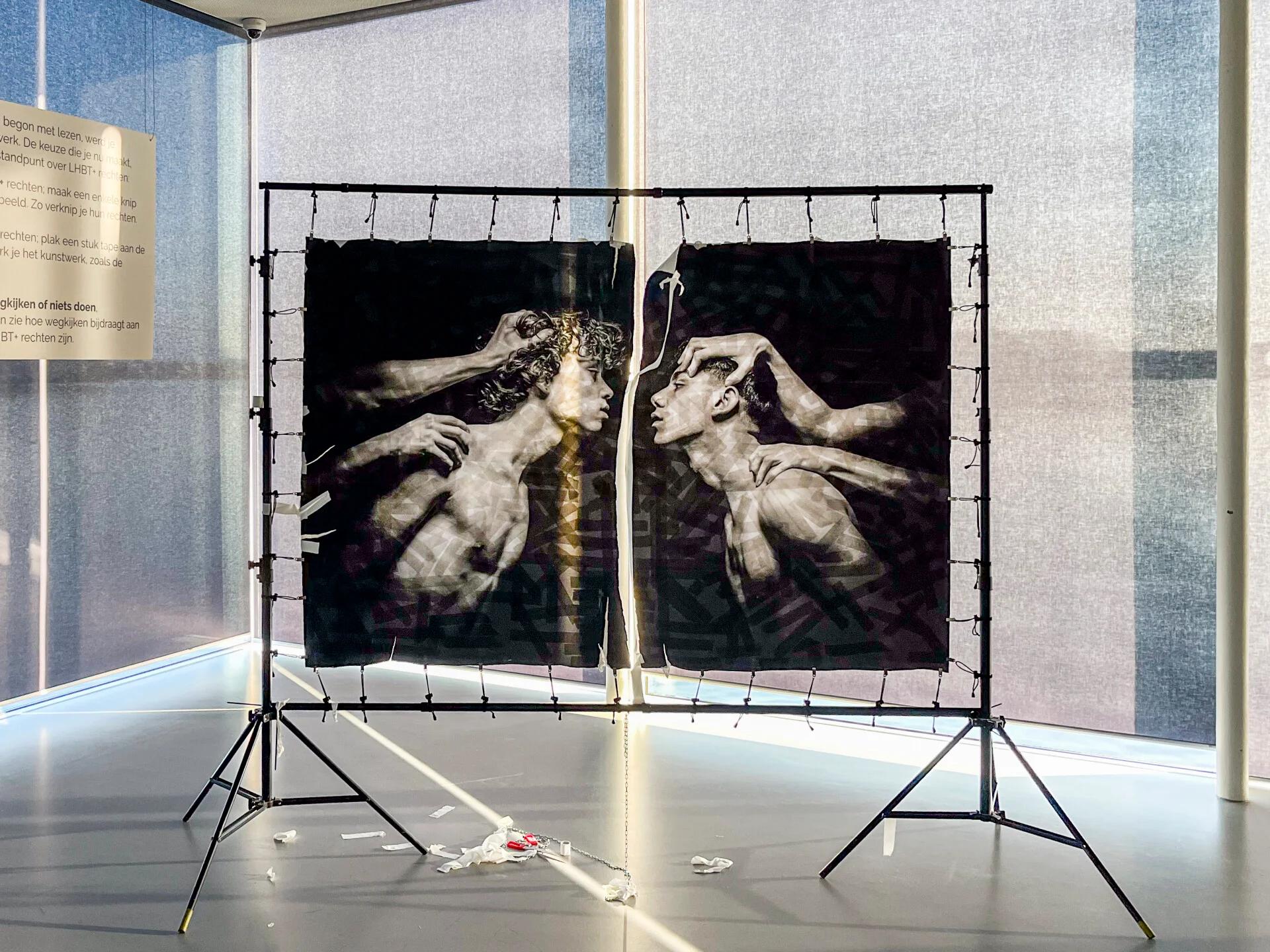
The Evolution of 'RESTRAINT'