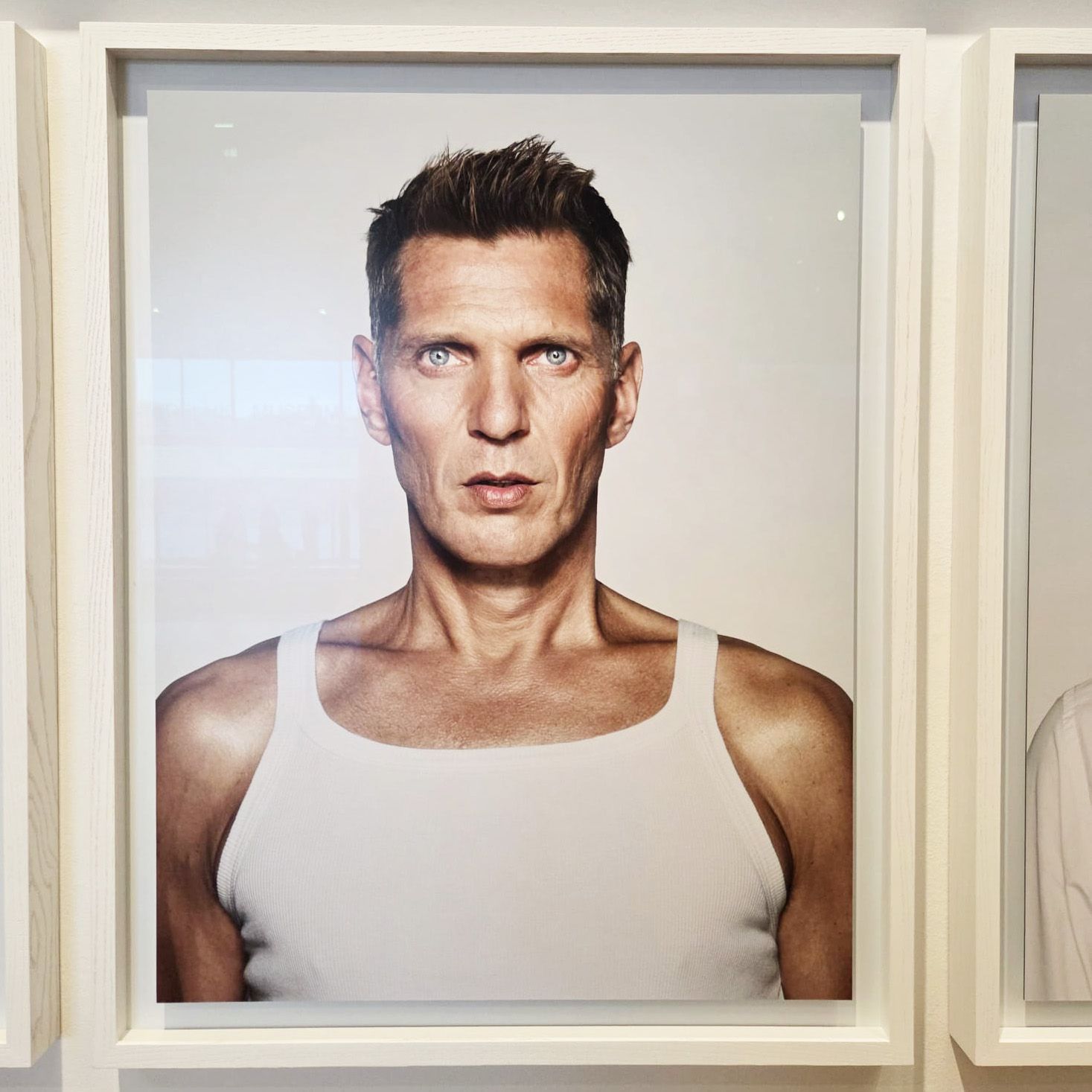
Erwin Olaf
Erwin Olaf mastered the staged image, blending Dutch Golden Age lighting with cinematic tension to capture the "unheimliche" moment where perfection fractures into vulnerability. His evolution from a rebellious nightlife photographer to a national treasure who portrayed the Dutch Royal Family solidified his legacy as a pillar of contemporary fine art history.
Biography
Erwin Olaf: The Cinematic Silence of Dutch Light
In the world of Contemporary Fine Art Photography, few artists have captured the sound of silence quite likeErwin Olaf (1959–2023). A modern master of the staged image, Olaf did not merely take pictures he directed emotional landscapes. Based in Amsterdam, his work serves as a bridge between theGolden Age lighting of Rembrandtand the cinematic tension of the 21st century.
Perfection with a Crack
Olaf’s signature style is instantly recognizable: flawless styling, razor-sharp composition, and an impeccable, almost dreamlike finish. Yet, beneath this polished surface lies a palpable sense of solitude and unease. In famous series likeRain,Hope, andGrief, he captures theunsettlingthat specific moment where perfection begins to fracture and raw human vulnerability seeps through. His later works, such as the 2018 triptych featuringShanghai,Palm Springs, andBerlin, expanded this vision into monumental tableaux exploring seismic social change and urban progress.
A National Treasure and Activist
Olaf’s evolution from the rebellious nightlife of the 1980s to the official portraits of theDutch Royal Familyin 2017 was legendary. Throughout his 40-year career, he remained a tireless advocate forequality, LGBTQ+ rights, and freedom of expression, often centering his work on marginalized individuals. His contributions were recognized at the highest levels: he was named aKnight of the Order of the Lion of the Netherlandsin 2019 and received the prestigiousJohannes Vermeer Award. In 2023, shortly before his passing due to complications after a lung transplant, he was presented with theMedal of Honour for Art and Scienceby King Willem-Alexander.
Current Retrospective:Erwin Olaf – Freedom
From
**INSTRUCTIONS:**
- Output ONLY the translated text in plain text format
- Do NOT add explanations or notes
- Do NOT wrap in quotes
- Do NOT use markdown formatting (no **, no *, no __)
- Preserve ALL spaces exactly - if there's a space before/after a word, keep it
- Keep exact spacing and line breaksOctober 11, 2025, to March 1, 2026, theStedelijk Museum AmsterdampresentsErwin Olaf – Freedom, the first major museum retrospective since his death. This exhibition fulfills the artist's long-held wish to be shown at the Stedelijk and highlights his multifaceted creative process.
- The Creative Journey: The show traces his career from early 1980s journalistic black-and-white reportages to his highly stylized studio series likeChessmen(1987-88) andSkin Deep(2015).
- Unseen WorksVisitors can view never-before-seen archive material, commercial photography, and his final, unfinished video work.
- The Vulnerable Lens: Notable inclusions are the extraordinarySelf-Portrait with Lungs(2023) et autres pièces intimes créées durant sa maladie.
For the international collector, an Olaf work is more than a photograph, it is a piece of Dutch cultural history that dares to look beneath the surface of modern society.
Artist Statement
Here is the artist statement rewritten in the third person, designed as a curatorial introduction for your website to maximizeE-E-A-Tand bridge your work with Olaf’s legacy.
The Cinematic Tension of Erwin Olaf
The work ofErwin Olafexists at the vital intersection of classical Dutch traditions and the psychological undercurrents of the modern era. Drawing profound inspiration from the masterful lighting of theDutch Golden Age, Olaf constructed meticulously staged narratives often described as "a perfect world with a crack". He utilized an impeccable, high-gloss aesthetic to seduce the viewer into cinematic landscapes, only to confront them with a palpable sense of solitude and human unease.
Rooted in his origins within the rebellious nightlife and underground scenes of the 1980sAmsterdam, Olaf’s lens consistently challenged societal taboos. From the raw, provocative energy of his earlyfetishand bondage-inspired series, such asChessmen, to the quiet, internal grief of his later monumental tableaux, he explored the human body as a site of both power and profound vulnerability. By peering beneath the immaculate varnish of contemporary life, Olaf invited the observer into a "psychological cosmos" where desire, intimacy, and theunheimlichconverge.