More from the series
ESTRANGED (series) →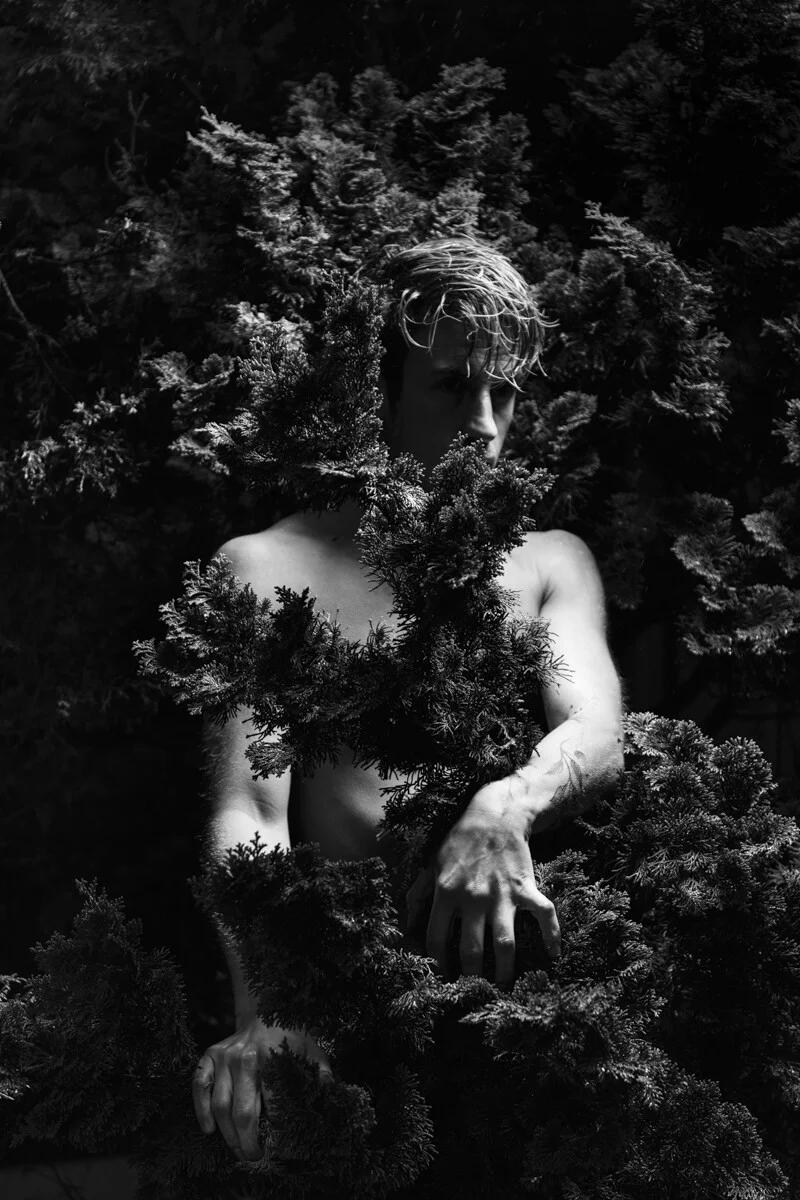
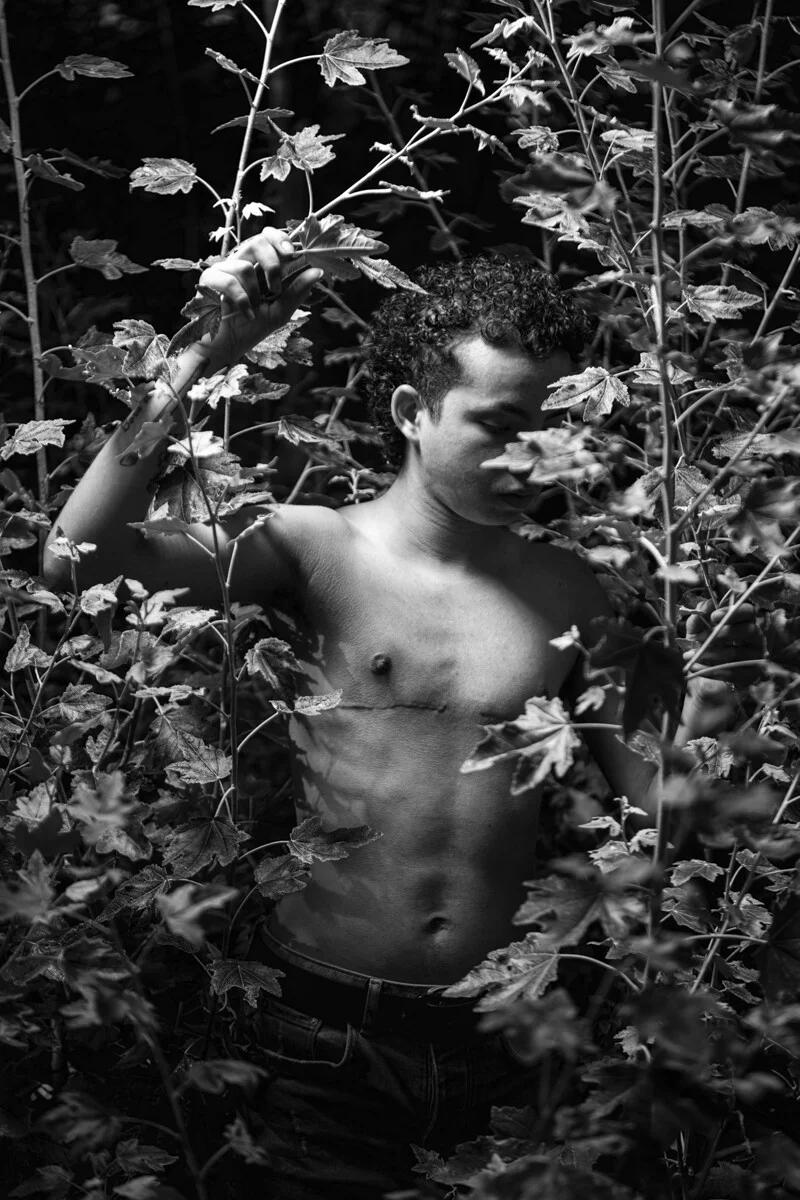
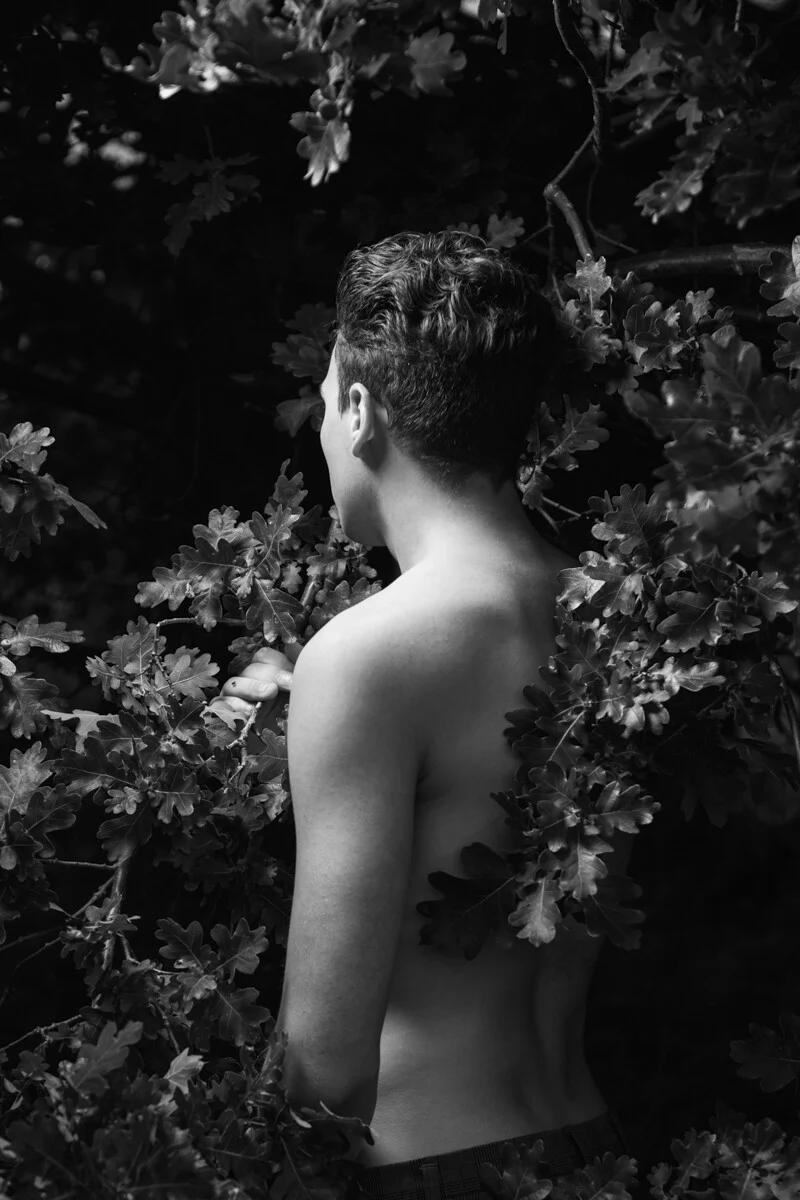
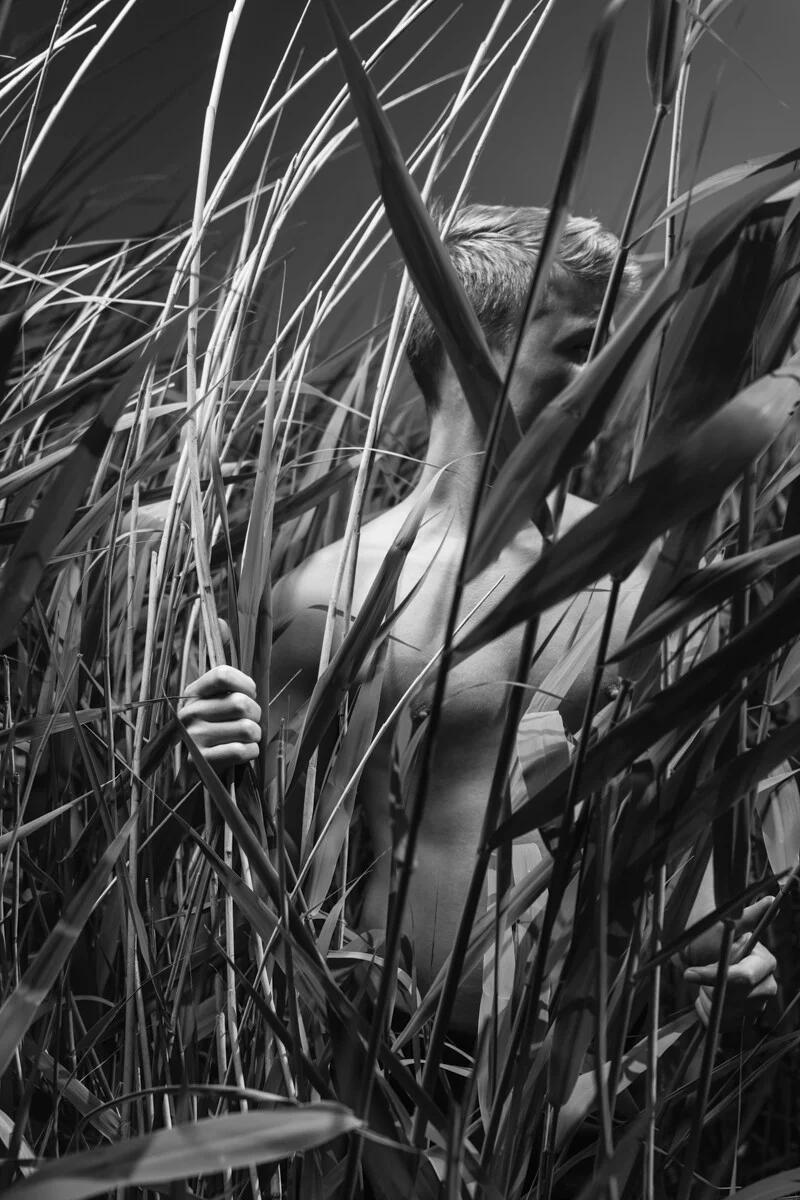
ESTRANGED - WILSON
"A profound exploration of the silencing effect of linguistic hostility and the resilience of the self within the intricate thickets of cultural and religious tradition."
The Narrative
Te whitinga o te whakapono, te whānau, me te reo here
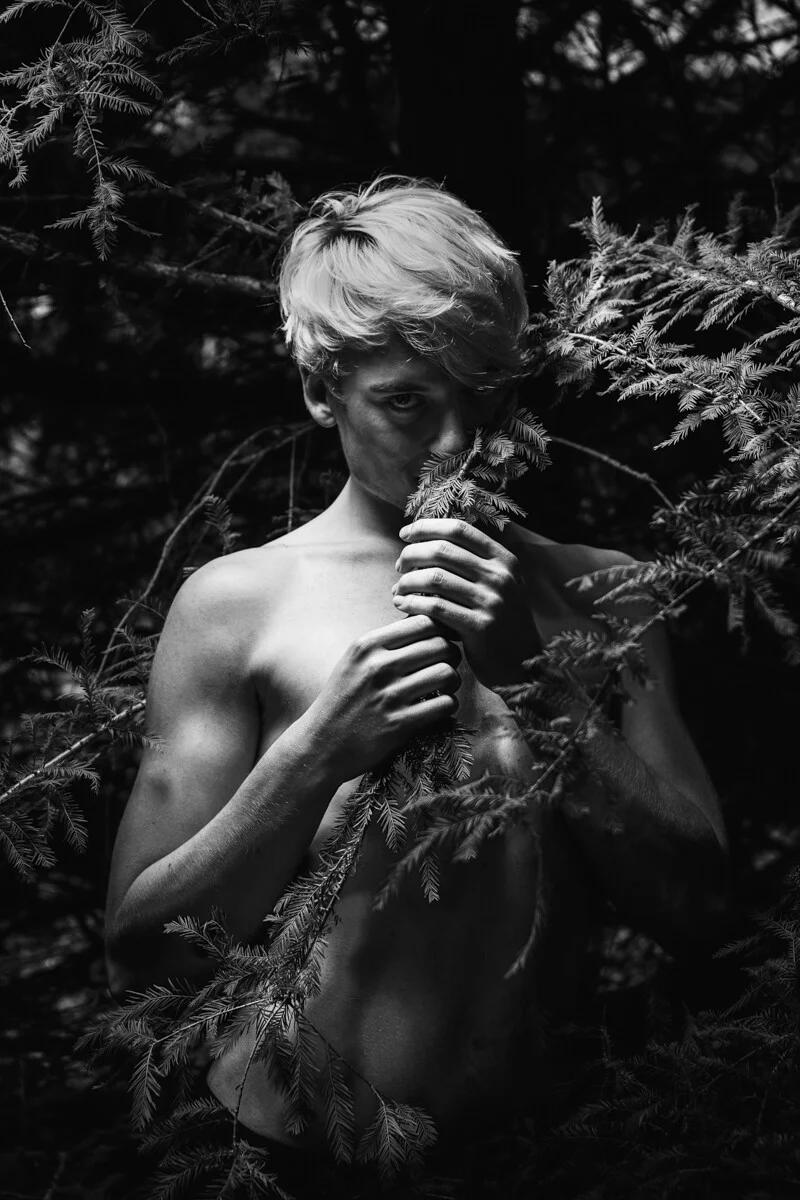
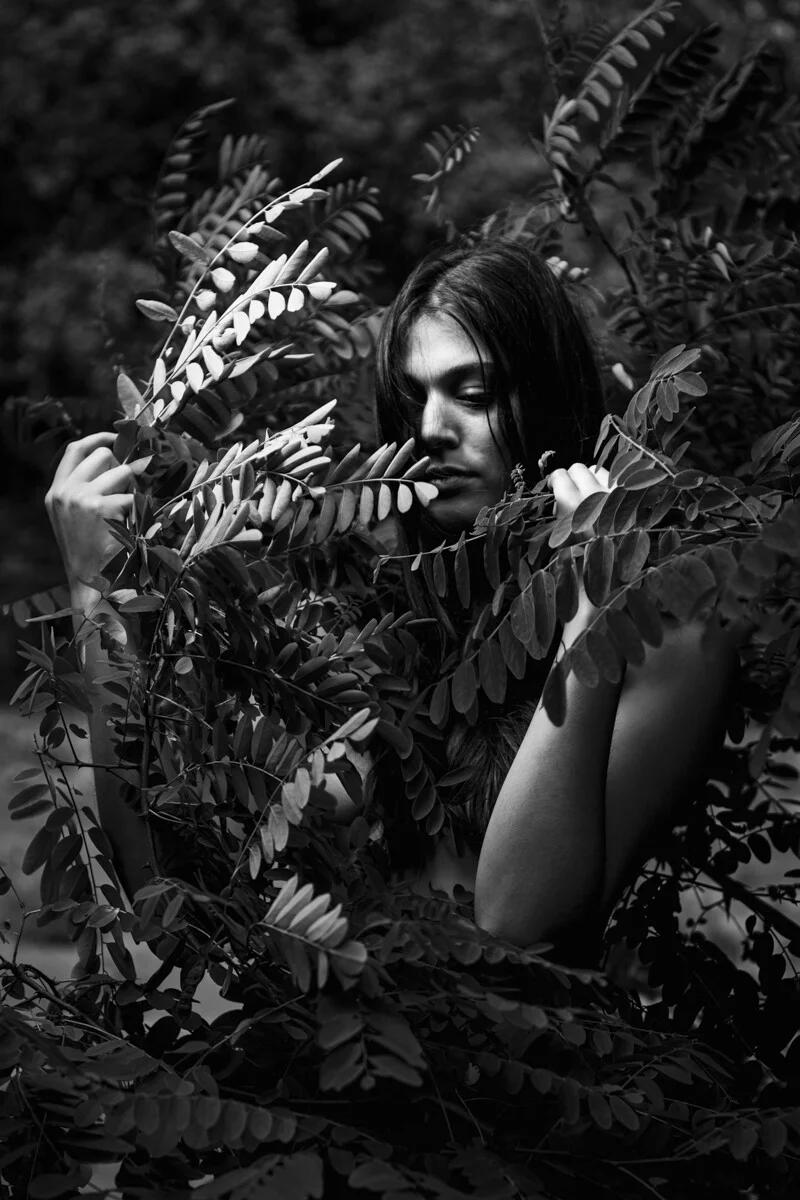
In this evocative chapter of the ESTRANGED series, ARJAN SPANNENBURG investigates how language can act as both a barrier and a weapon. Through the lens of WILSON, the artist captures the transition from a "joyful, playful child" to a young man navigating the complex textures of a strictly Catholic upbringing. SPANNENBURG utilises the gnarled, intertwining branches of an ancient tree to represent the structural weight of tradition and the slurs that once echoed through WILSON’S domestic life. The artist seeks to visualise the internal quietude that occurs when one's identity is reduced to a pejorative, highlighting the struggle to remain visible when the world only sees a label.
Peering through the shadows of structural intolerance
SPANNENBURG created this work to address the persistent lack of safety felt by the queer community, even in spaces theoretically defined by tolerance. By positioning WILSON behind a massive, textured trunk, the artist mirrors the subject's experience of having his qualities pushed to the background by the foregrounding of his sexuality. As WILSON poignantly reflects: Every time my family used gay as an insult, I became quieter and quieter. This piece serves as an institutional critique of "conversion therapies" and the physical violence that still haunts the collective memory of the LGBTQ+ community. For the collector, this work is a powerful reminder that behind every branch of social friction lies a vibrant human spirit seeking to be recognised for its inherent worth.
Visual Analysis
A vertical black and white photograph featuring a shirtless young man positioned behind a thick, dark tree trunk and a web of spindly branches. The subject's face is partially obscured by the bark and twigs, his eyes looking downward in a moment of quiet contemplation. His hands are raised, gently gripping thin branches on either side of the main trunk, creating a frame within a frame. The background is a soft, out-of-focus bokeh of more trees, while the foreground is sharp and textured. The lighting is subtle, casting soft shadows across his torso and emphasising the contrast between the rough wood and smooth skin.
Configure Your Edition
Select Size & Edition
Select Material / Finish
Year
2022