Fine Art Photography
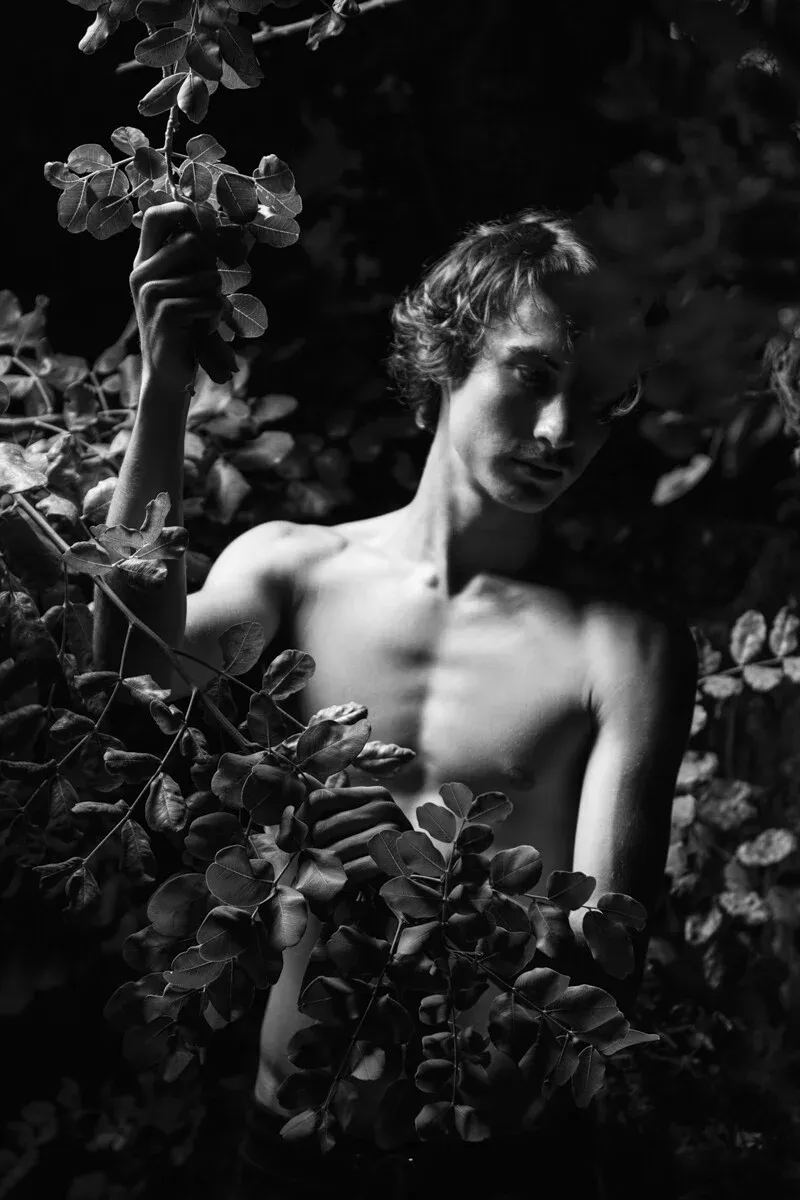
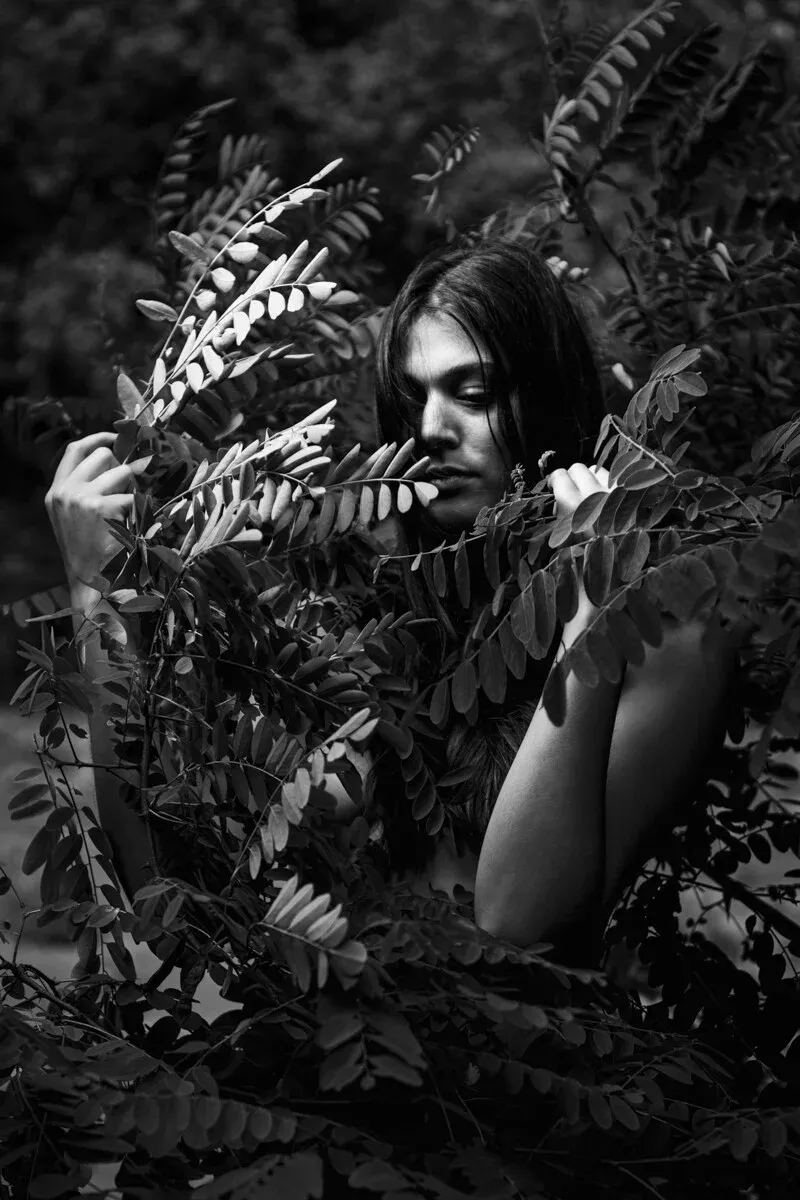
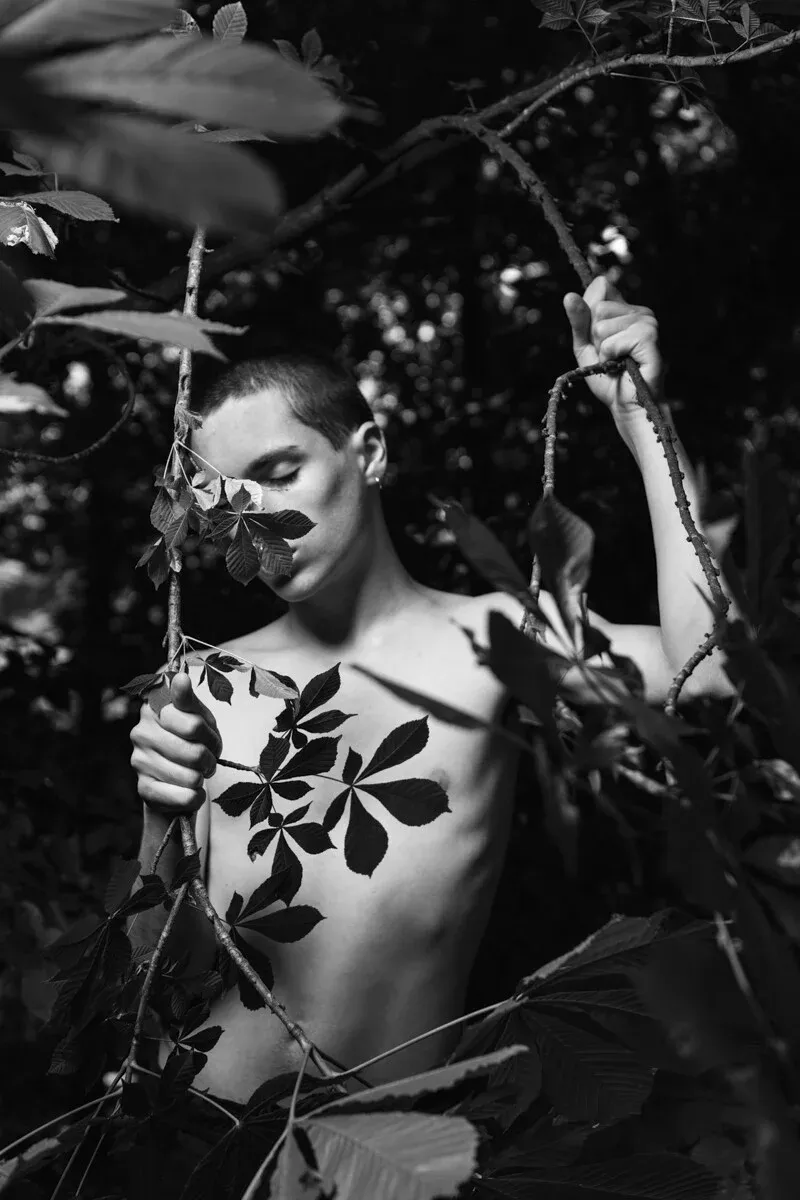
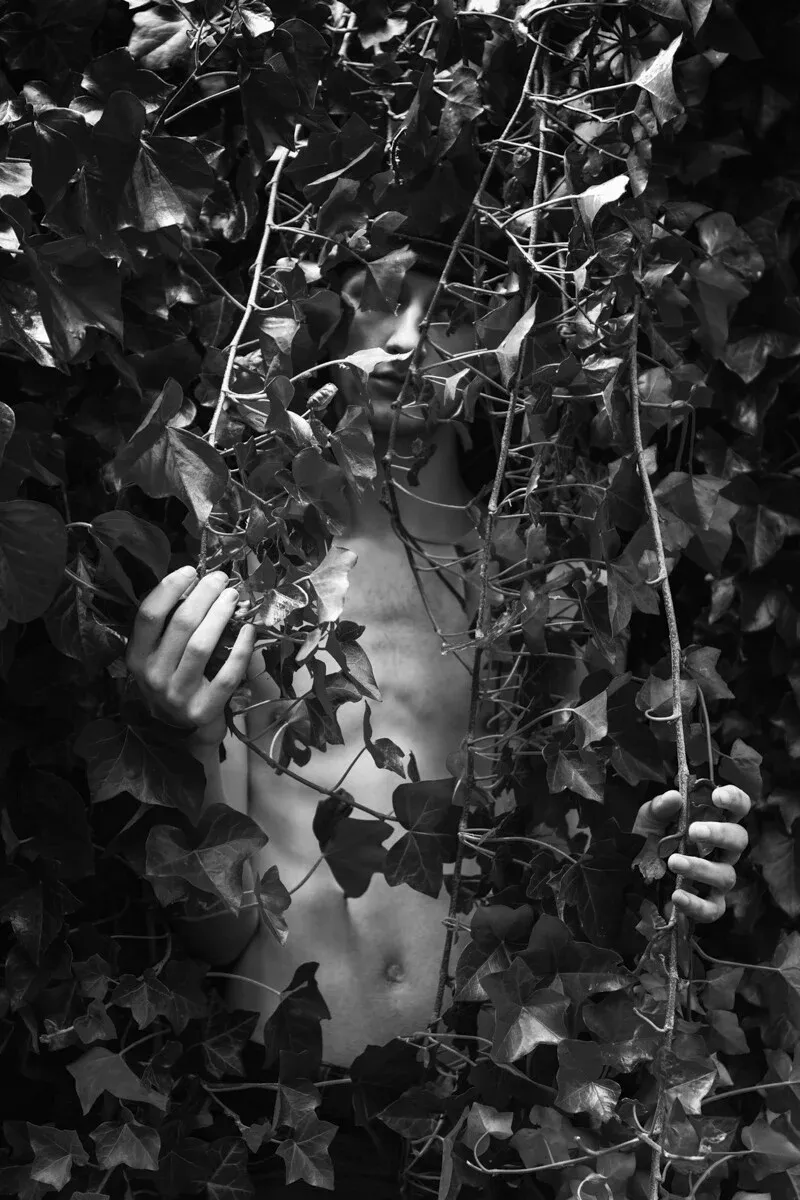
Fine Art Photography by Arjan Spannenburg represents a deliberate transition from documentation to a subjective, visionary experience where the camera serves as a tool for emotional and philosophical translation. This category distinguishes itself through a mastery of "structural truth," utilizing both monochrome and color to explore the fundamental building blocks of an image. While monochrome works leverage chiaroscuro and compositional geometry to reveal timeless textures, the color collections utilize luminance and vibrancy to dictate mood and interpretive depth. By prioritizing archival value and narrative depth, this collection offers a sophisticated "visual silence" that transcends fleeting trends and invites deep, introspective engagement from collectors and enthusiasts alike.
64 Artworks
Arjan Spannenburg
ESTRANGED - JAAP
Arjan Spannenburg
ESTRANGED - ELLINOOR
Arjan Spannenburg
ESTRANGED - FRANCISCO
Arjan Spannenburg
ESTRANGED - SIEBE
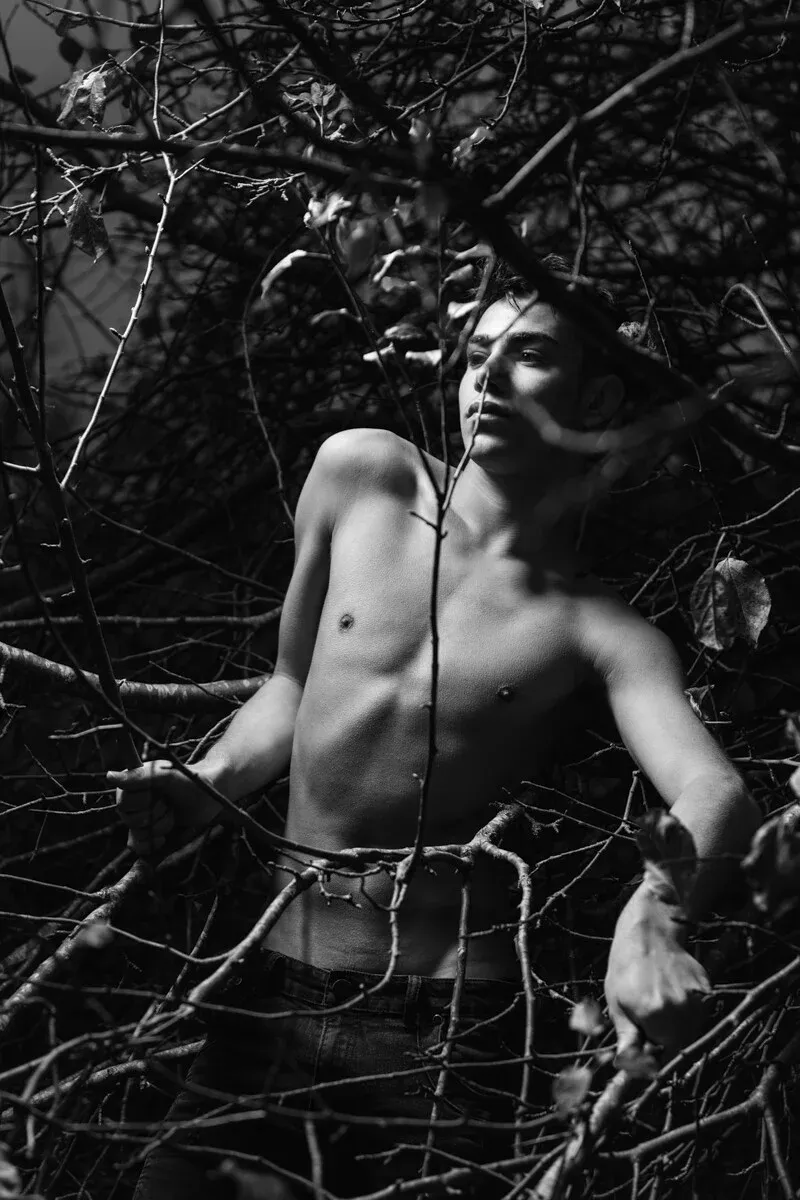
Arjan Spannenburg
ESTRANGED - DAMIAN
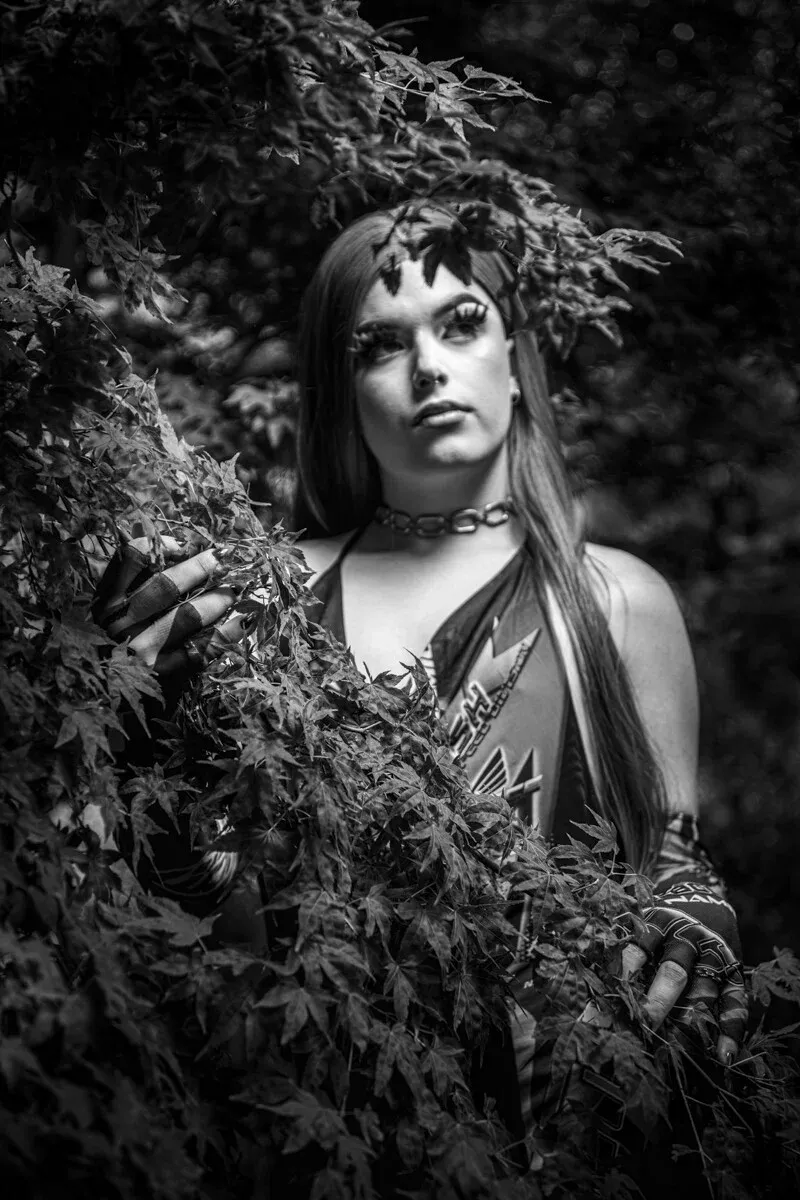
Arjan Spannenburg
ESTRANGED - LUX
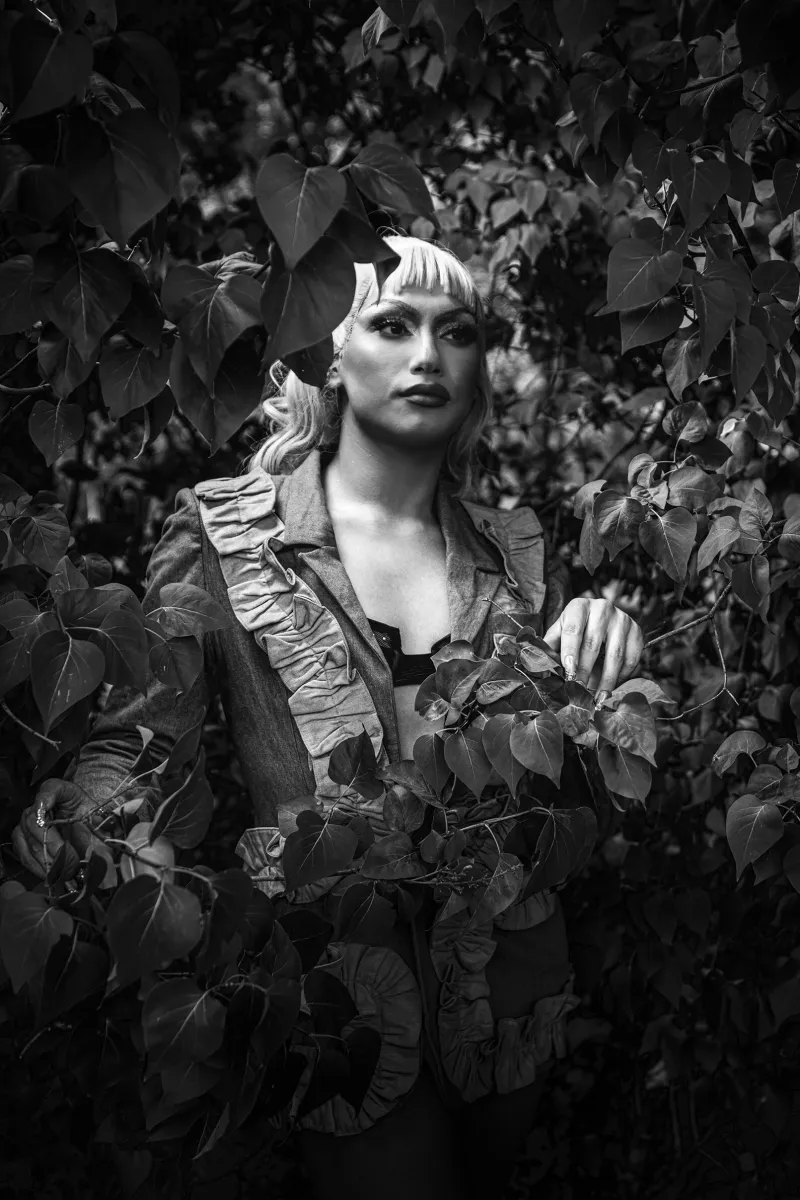
Arjan Spannenburg
ESTRANGED - TOOTSI
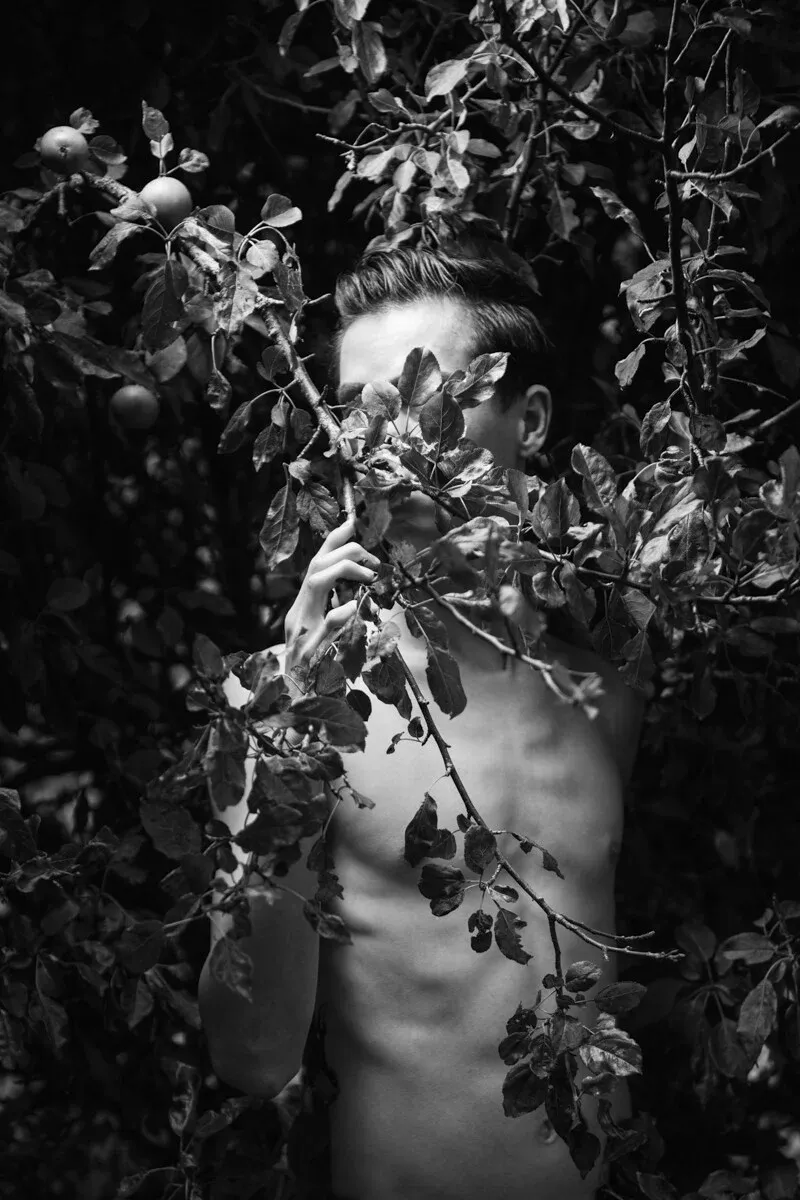
Arjan Spannenburg
ESTRANGED - BRANDON
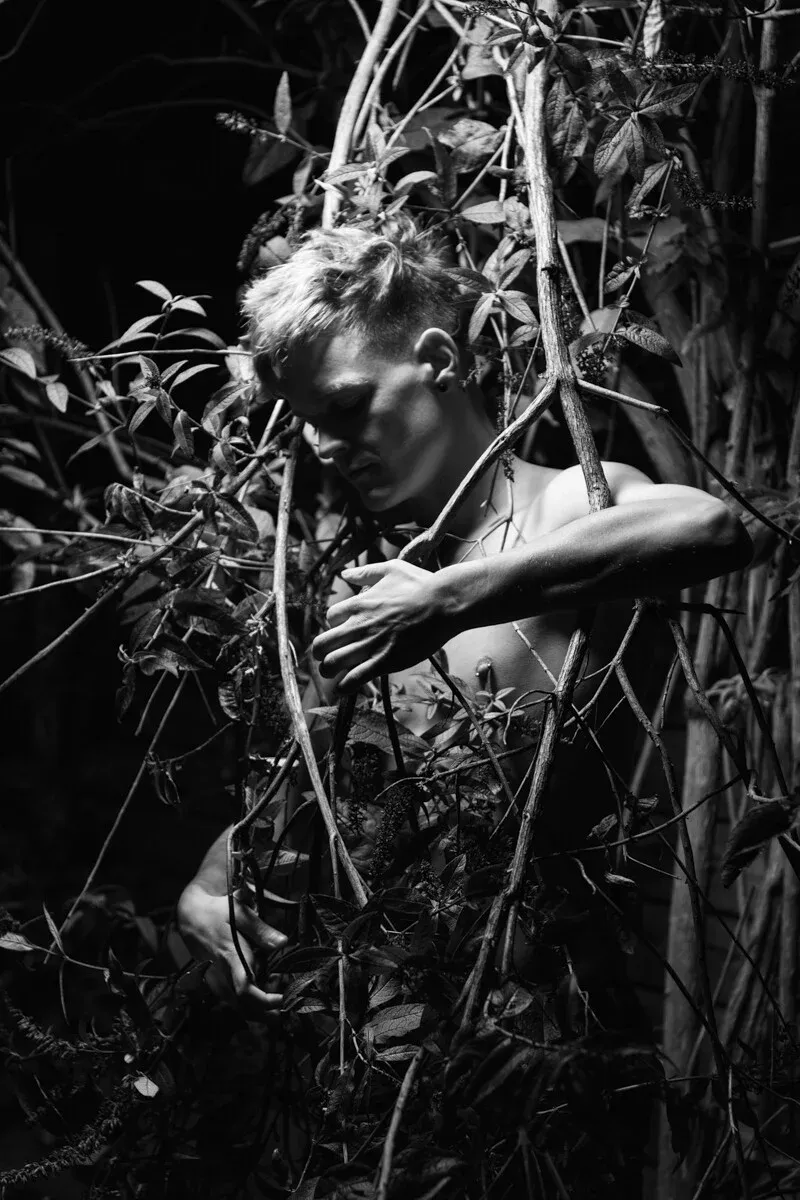
Arjan Spannenburg
ESTRANGED - SANDER
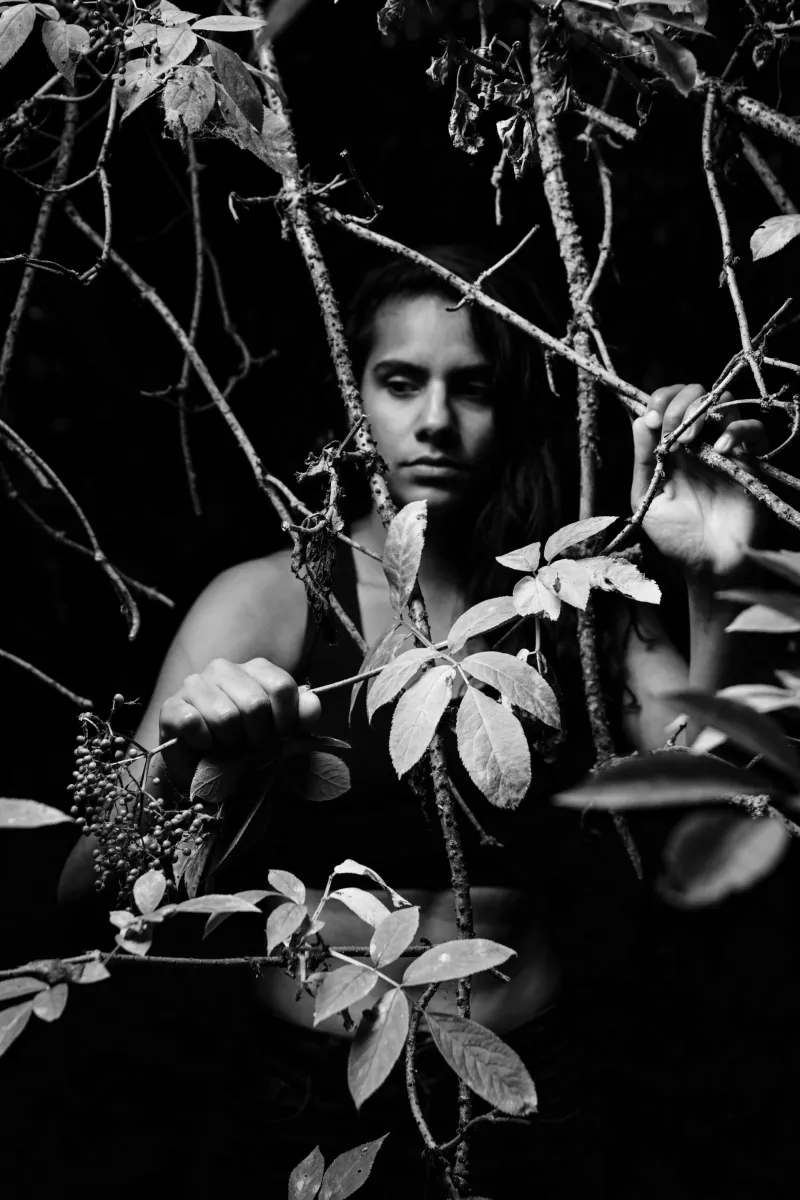
Arjan Spannenburg
ESTRANGED - SURAINA
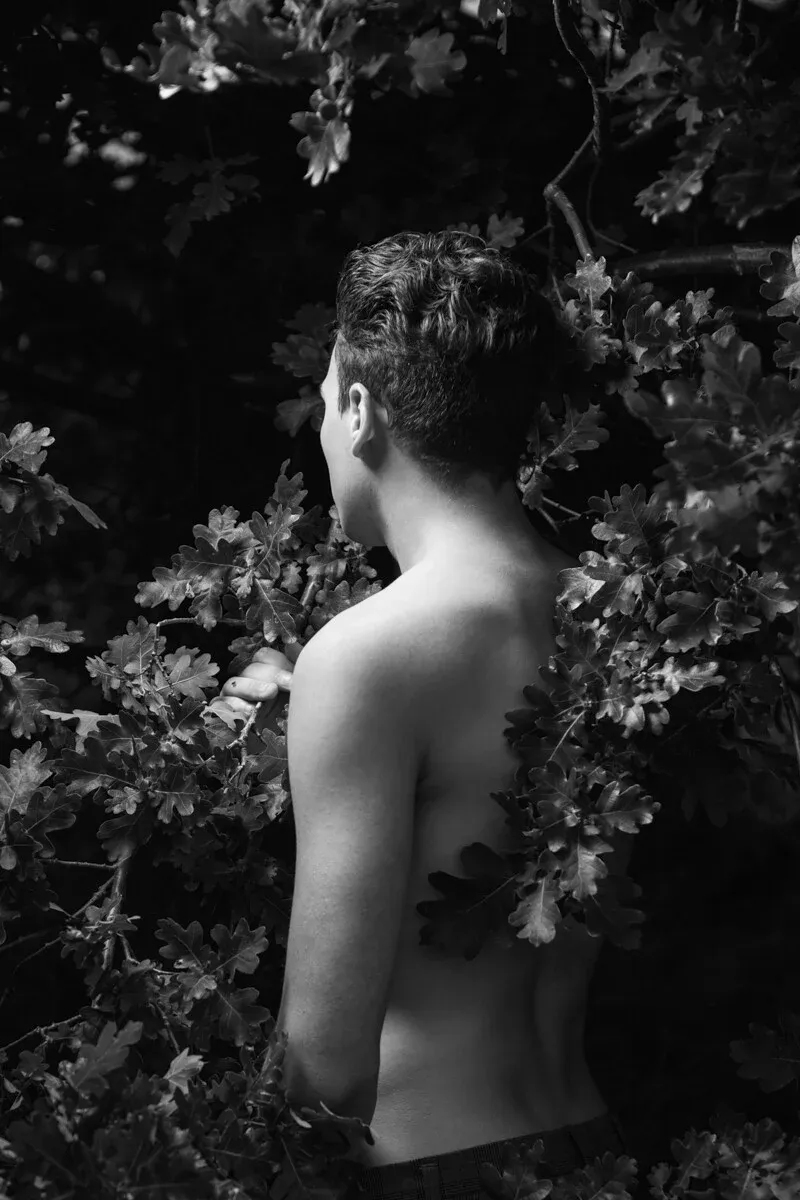
Arjan Spannenburg
ESTRANGED - CHRISTIAN
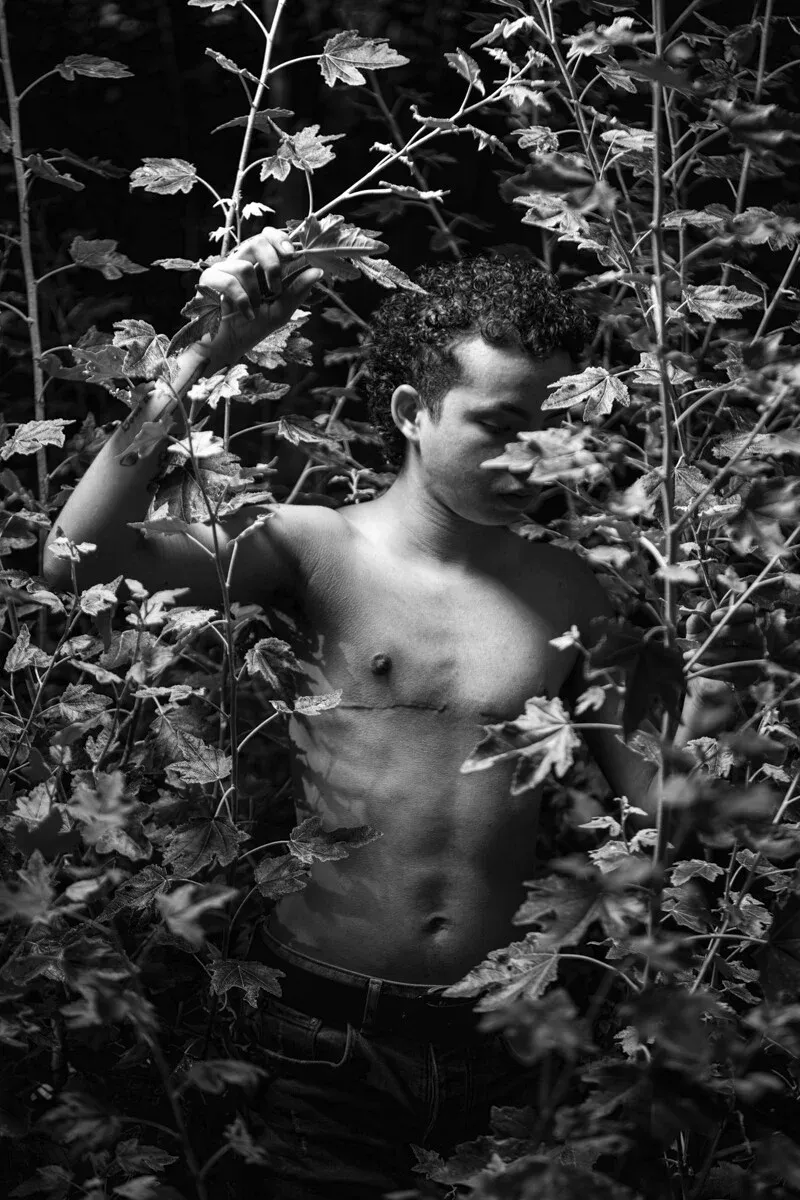
Arjan Spannenburg
ESTRANGED - DANNY
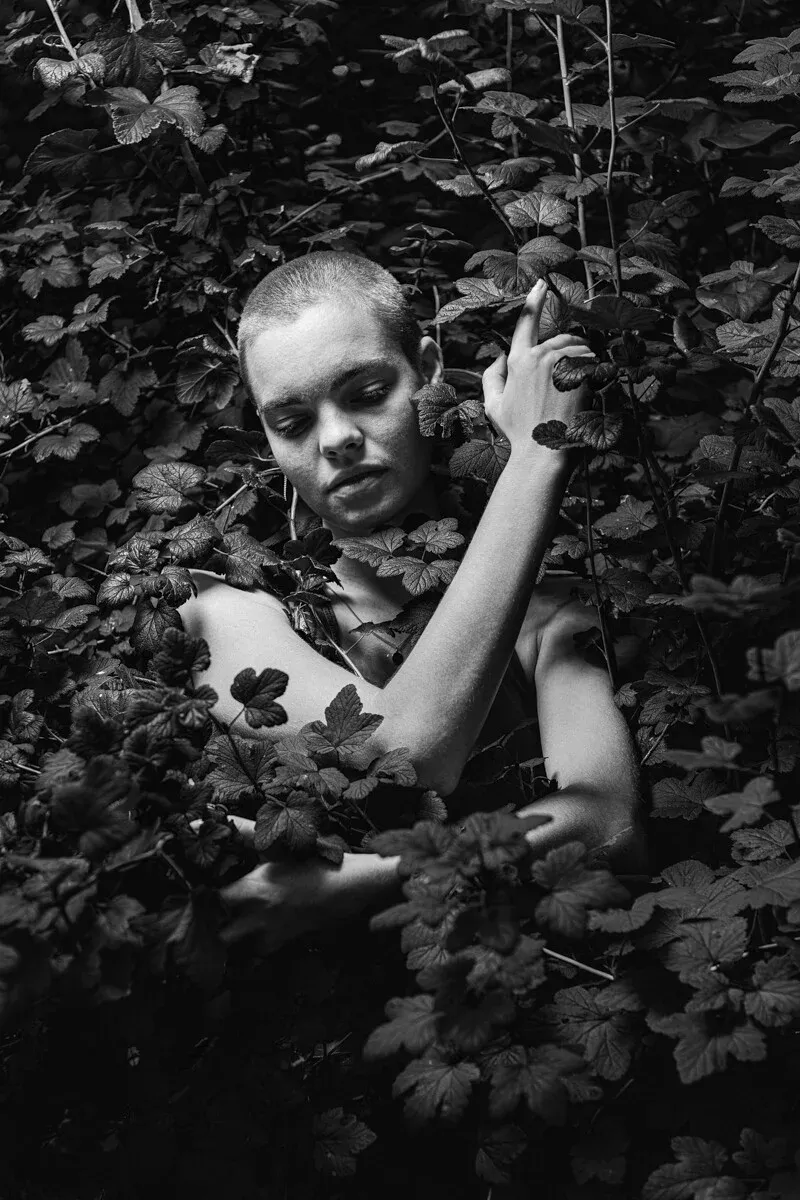
Arjan Spannenburg
ESTRANGED - ROBIN
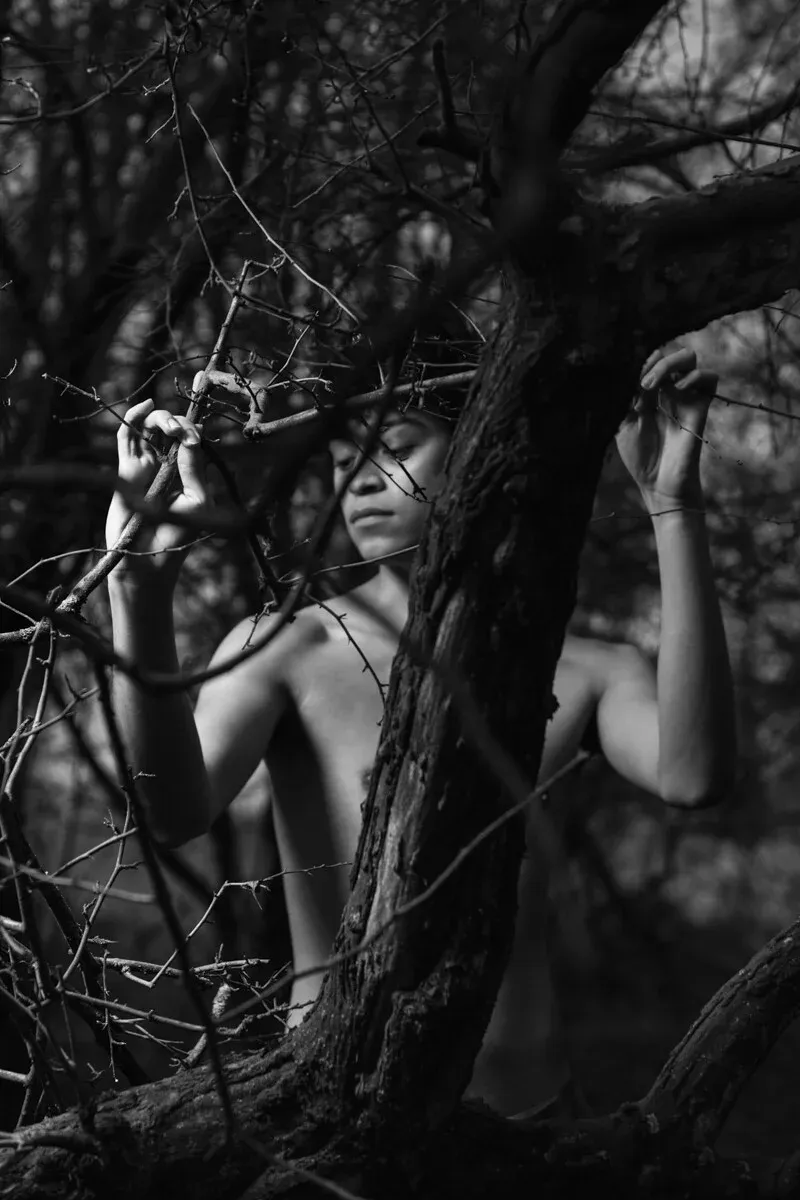
Arjan Spannenburg
ESTRANGED - WILSON
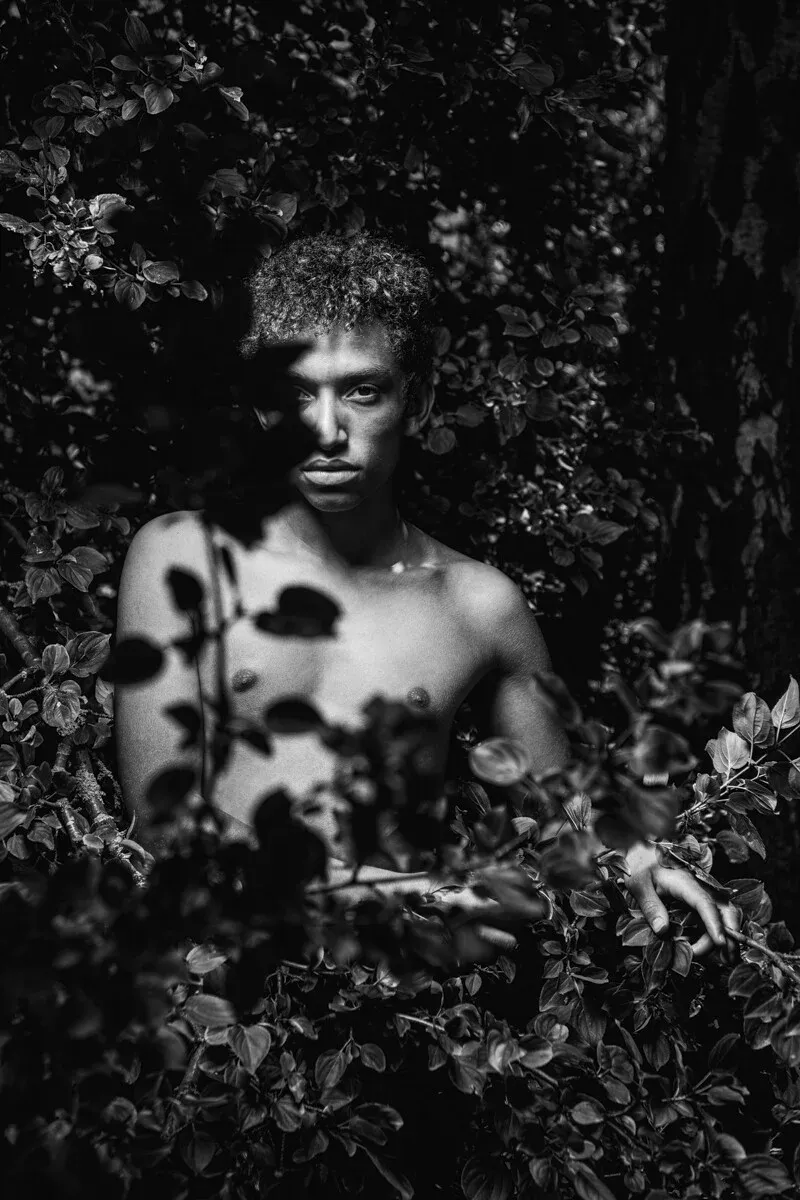
Arjan Spannenburg
ESTRANGED - JOEL
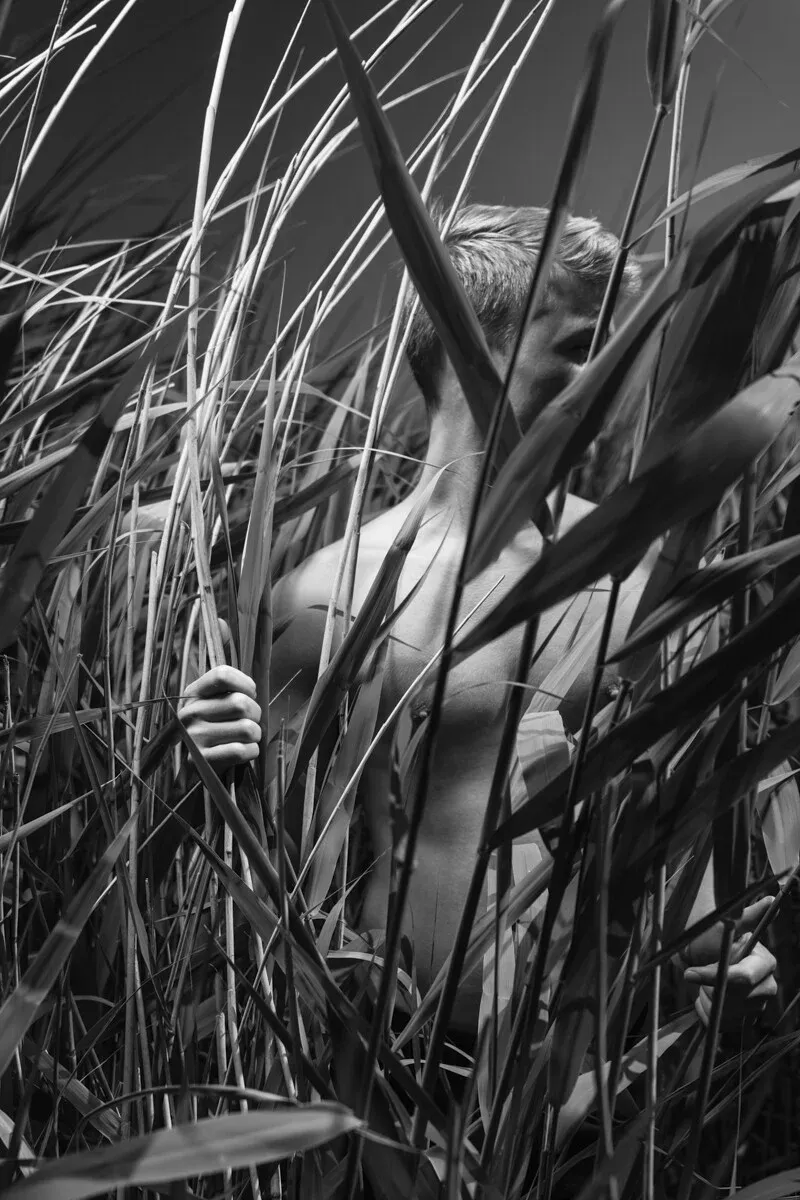
Arjan Spannenburg
ESTRANGED - ZICO
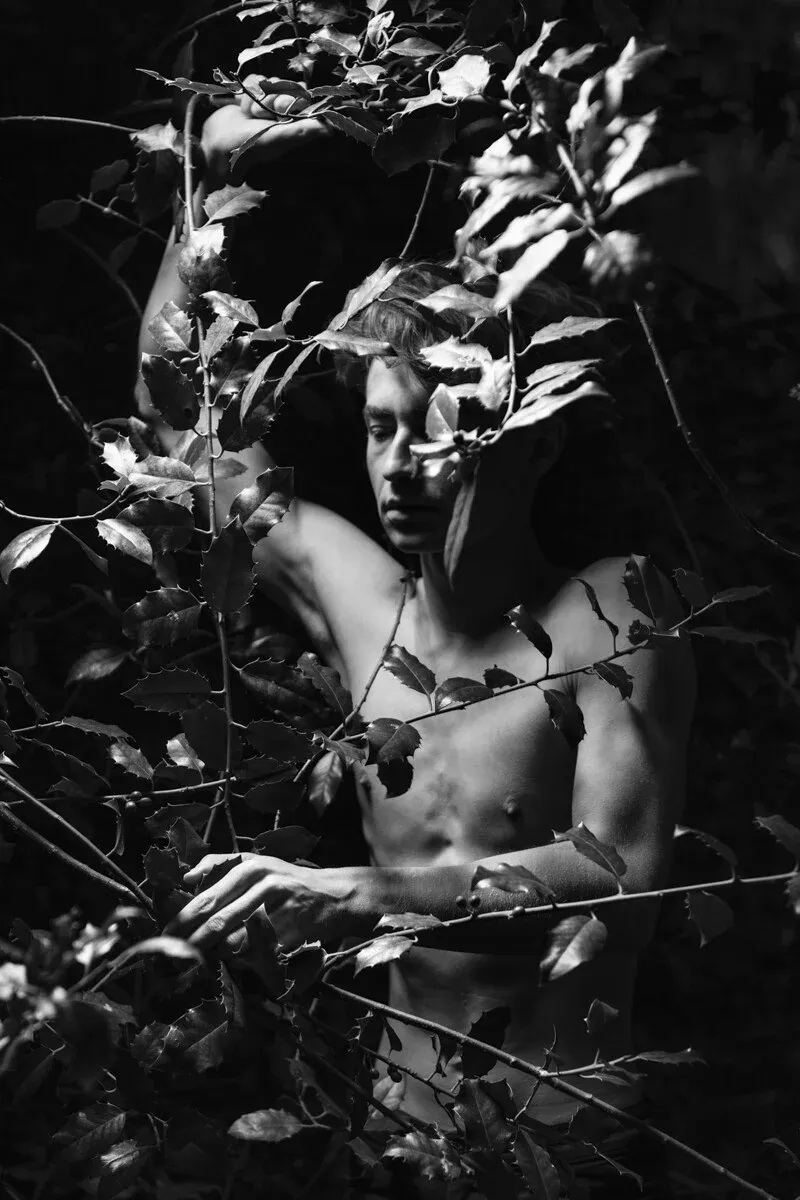
Arjan Spannenburg
ESTRANGED - RICARDO
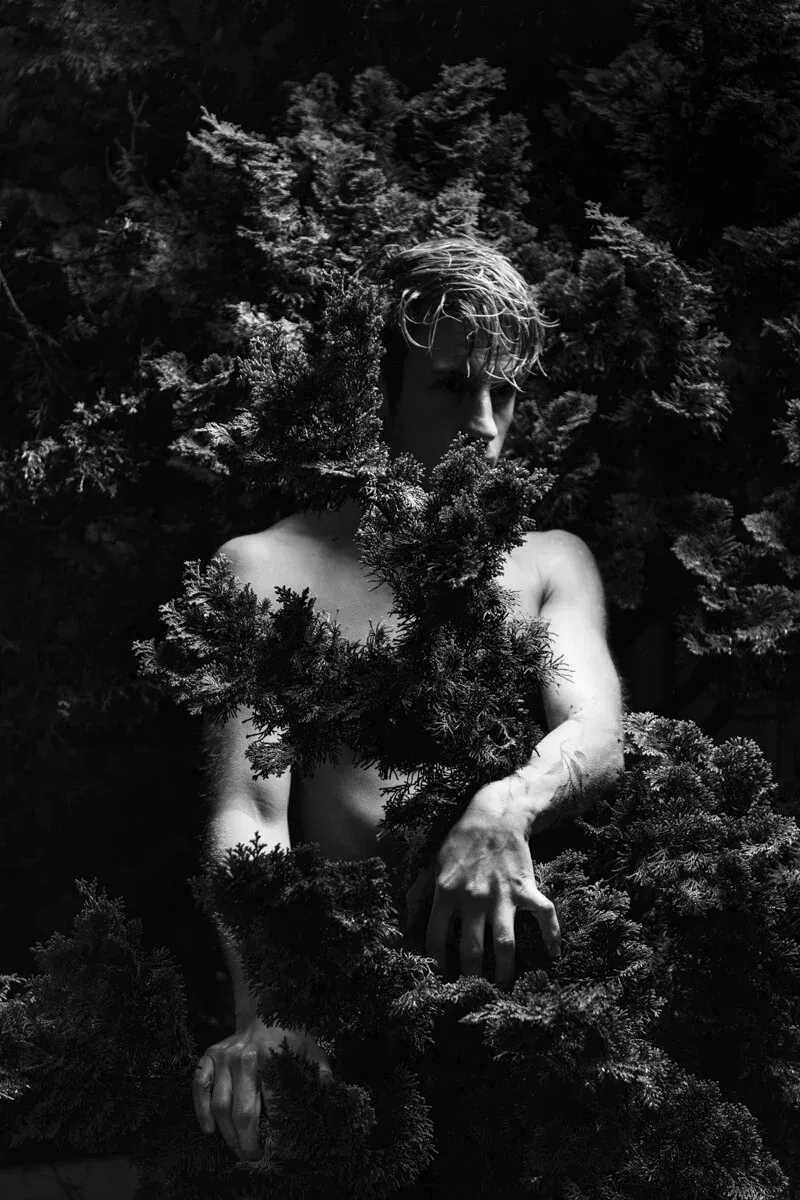
Arjan Spannenburg
ESTRANGED - STAN
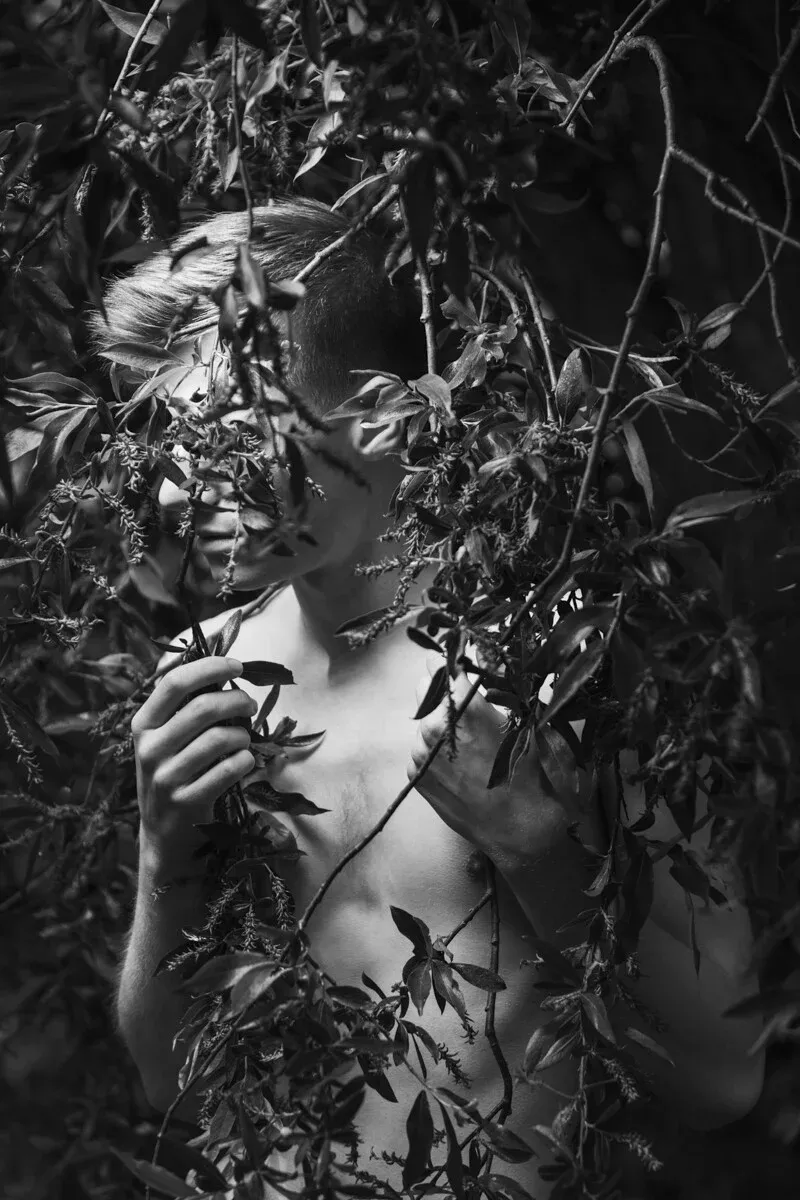
Arjan Spannenburg
ESTRANGED - YANNICK
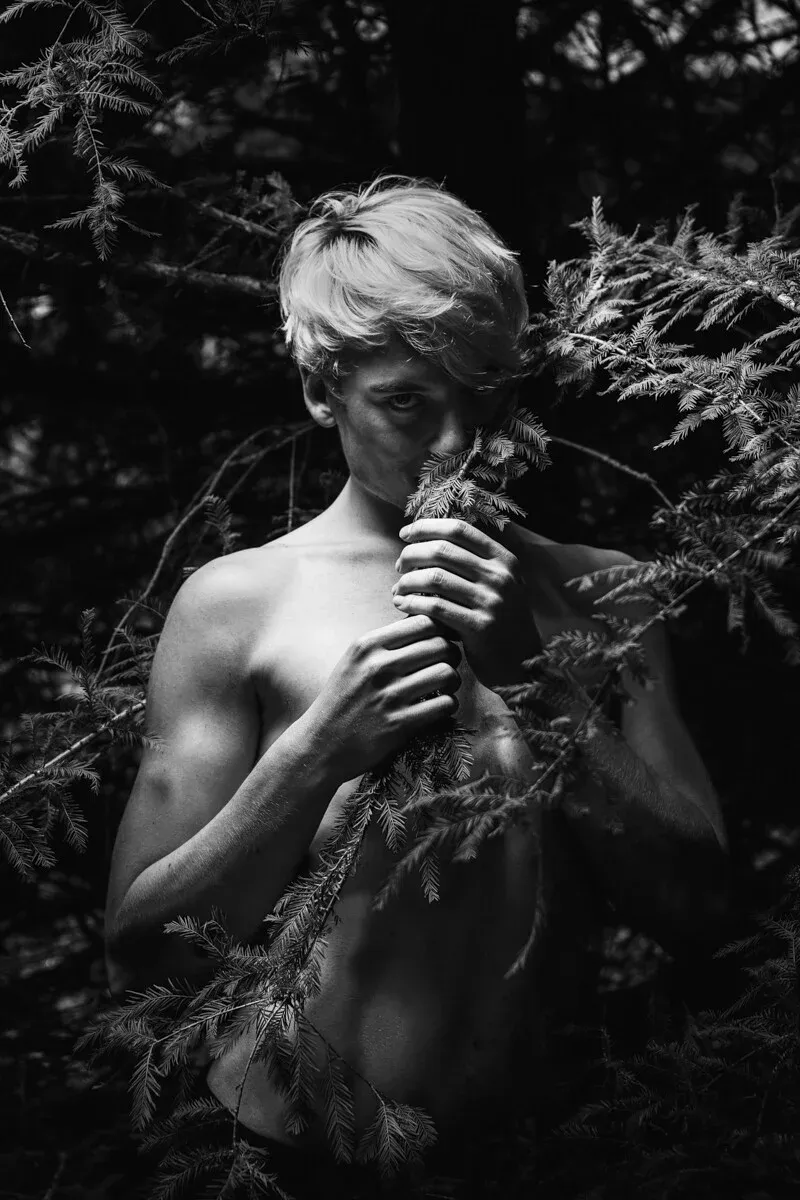
Arjan Spannenburg
ESTRANGED - JIP
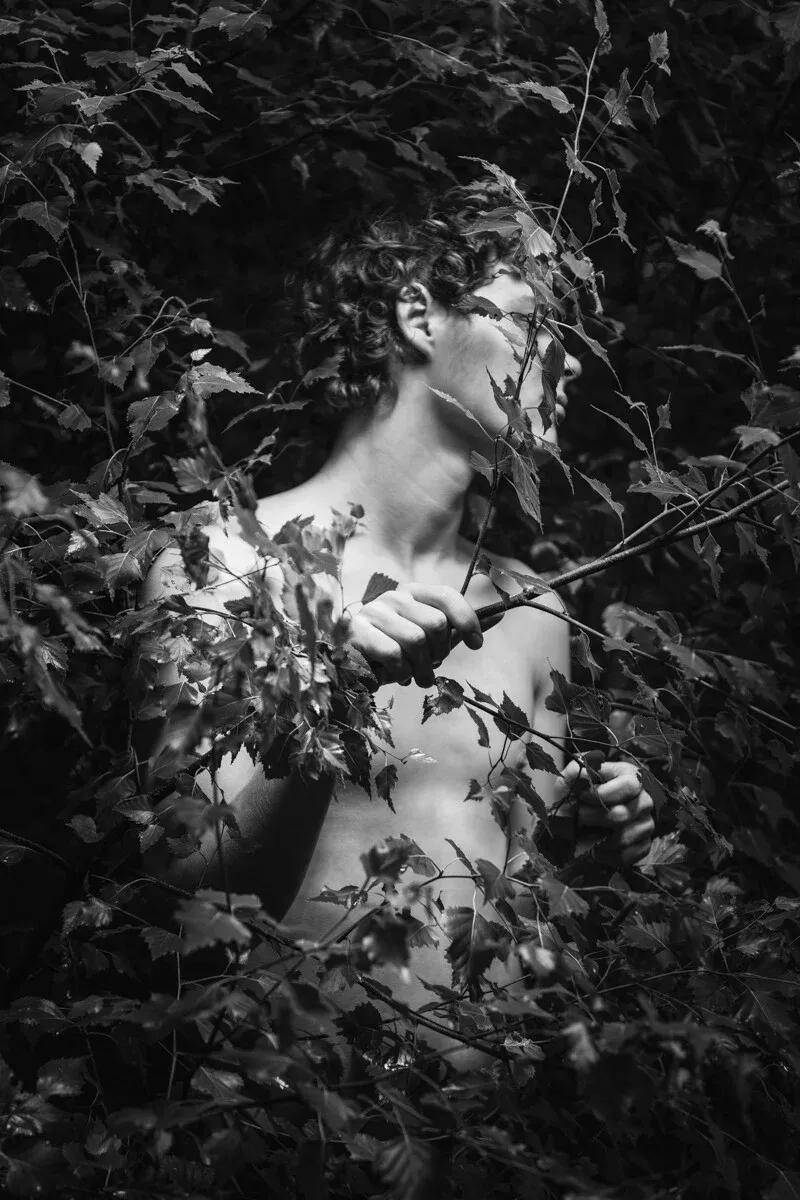
Arjan Spannenburg
ESTRANGED - MAX
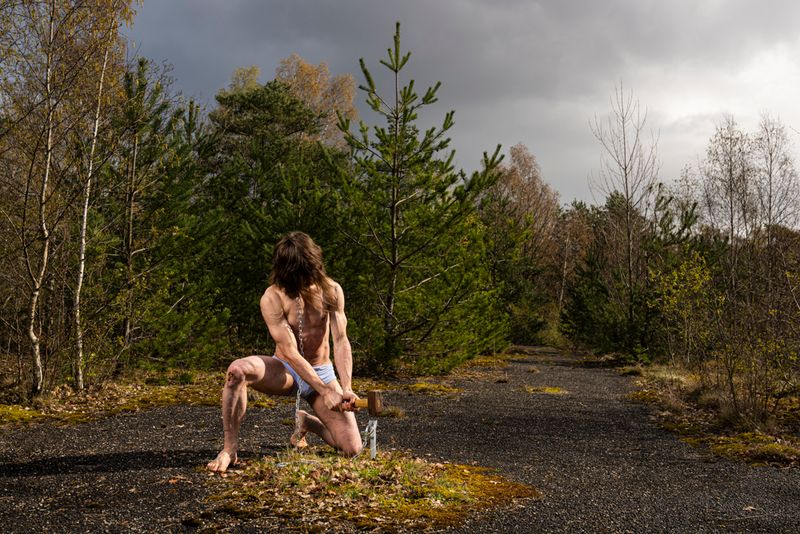
Arjan Spannenburg
DRIVEN
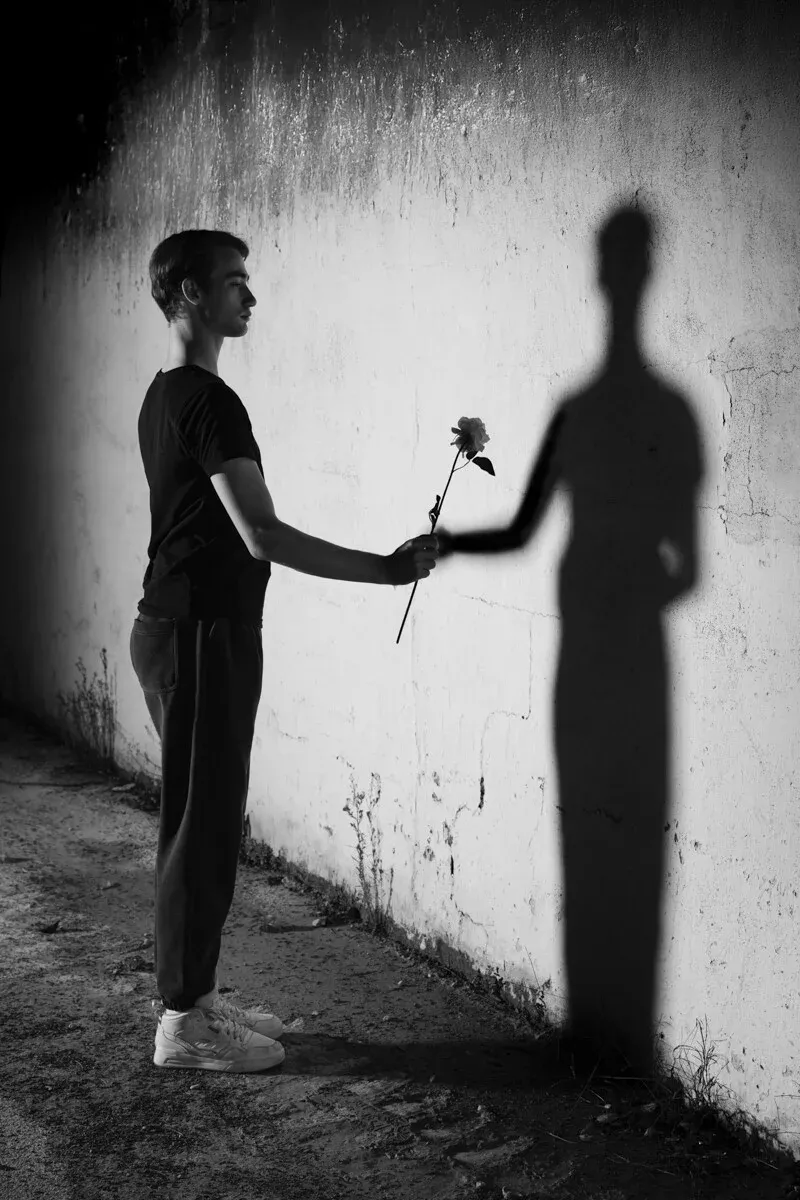
Arjan Spannenburg
WORTHY
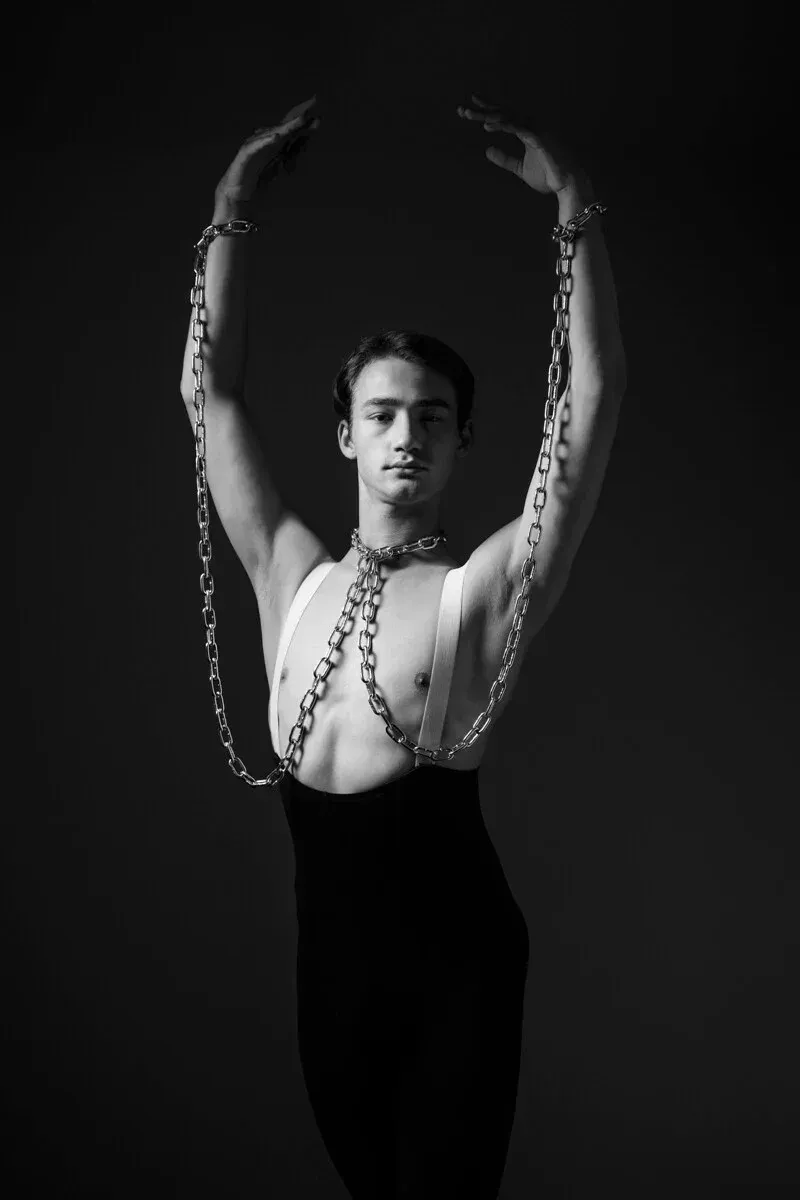
Arjan Spannenburg
BOUND 3
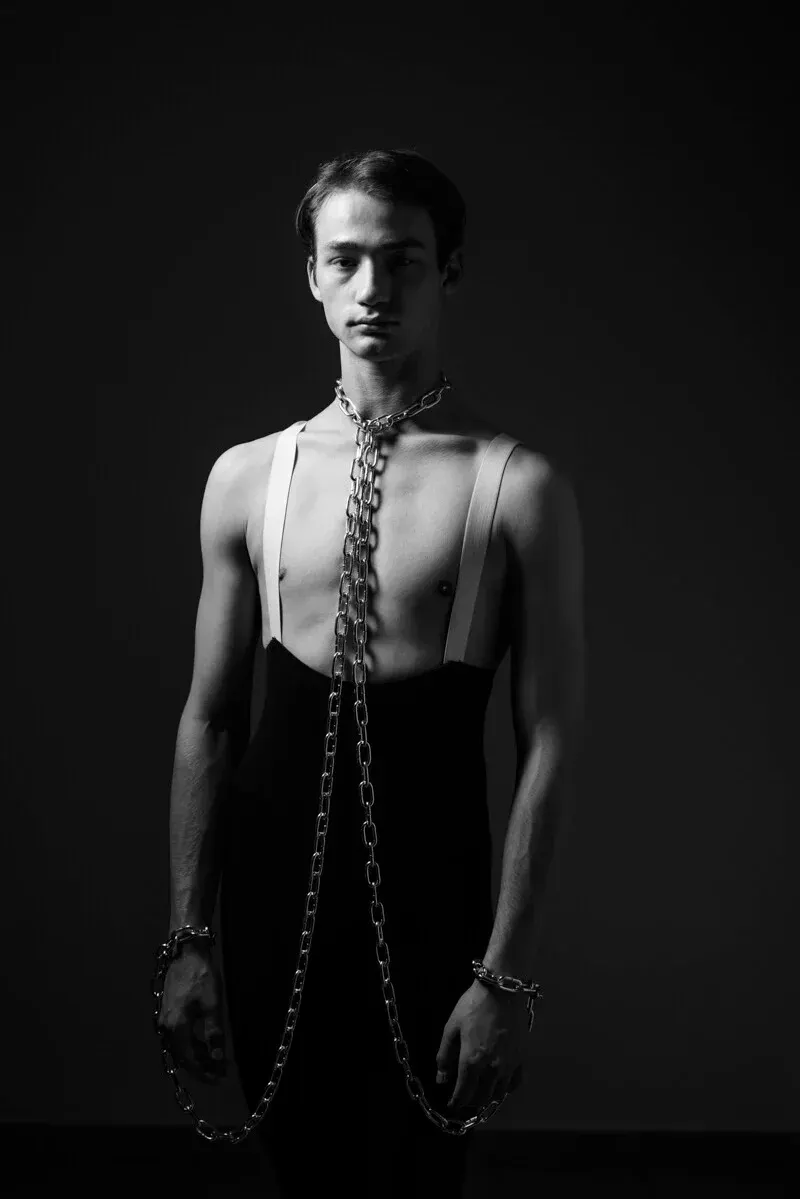
Arjan Spannenburg
BOUND 2
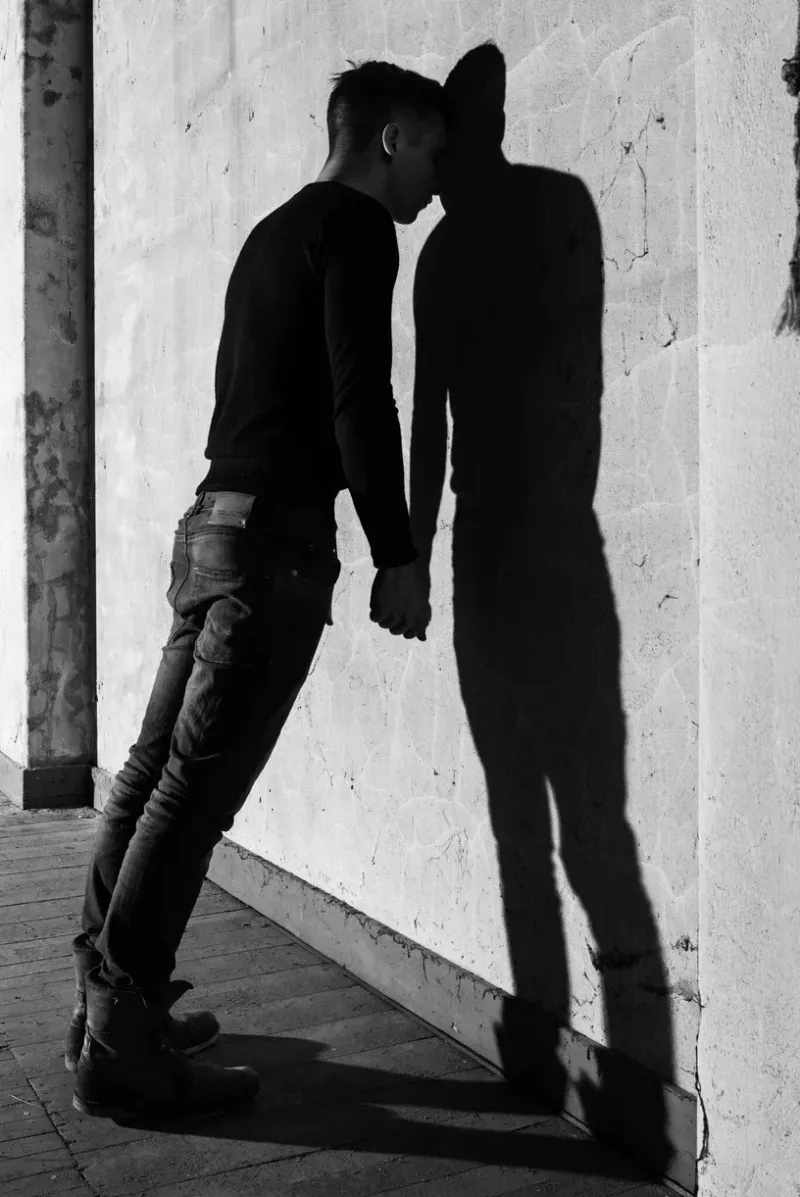
Arjan Spannenburg
RELIANT
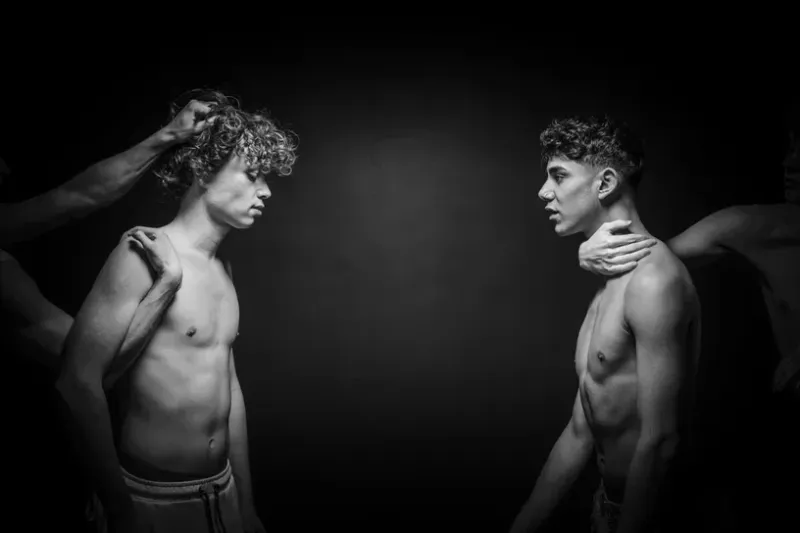
Arjan Spannenburg
RESTRAINT 1
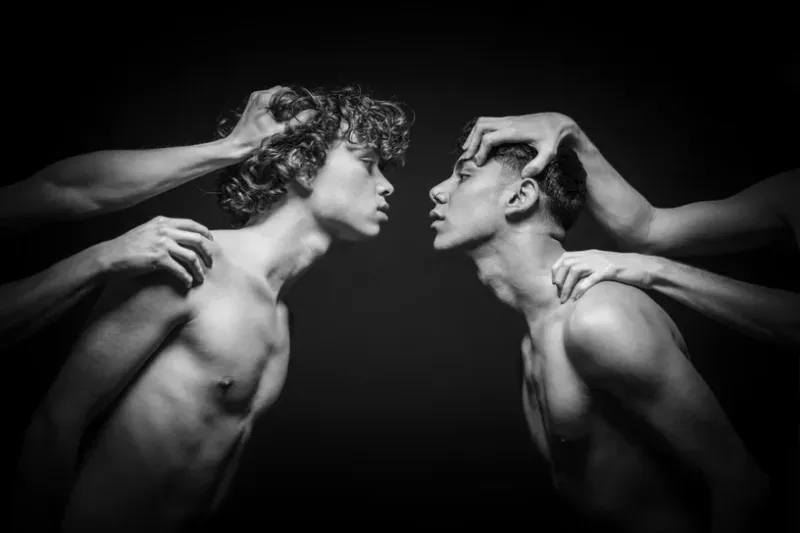
Arjan Spannenburg
RESTRAINT 2
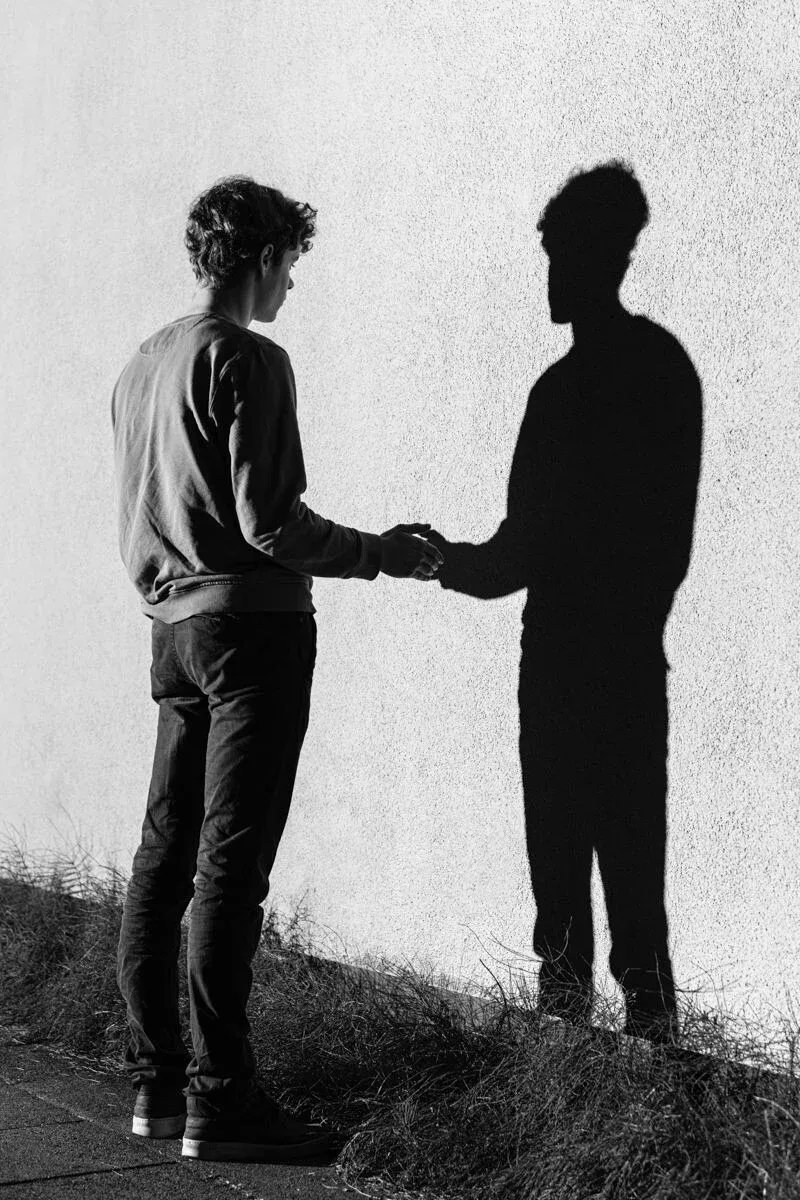
Arjan Spannenburg
RECONNECTION
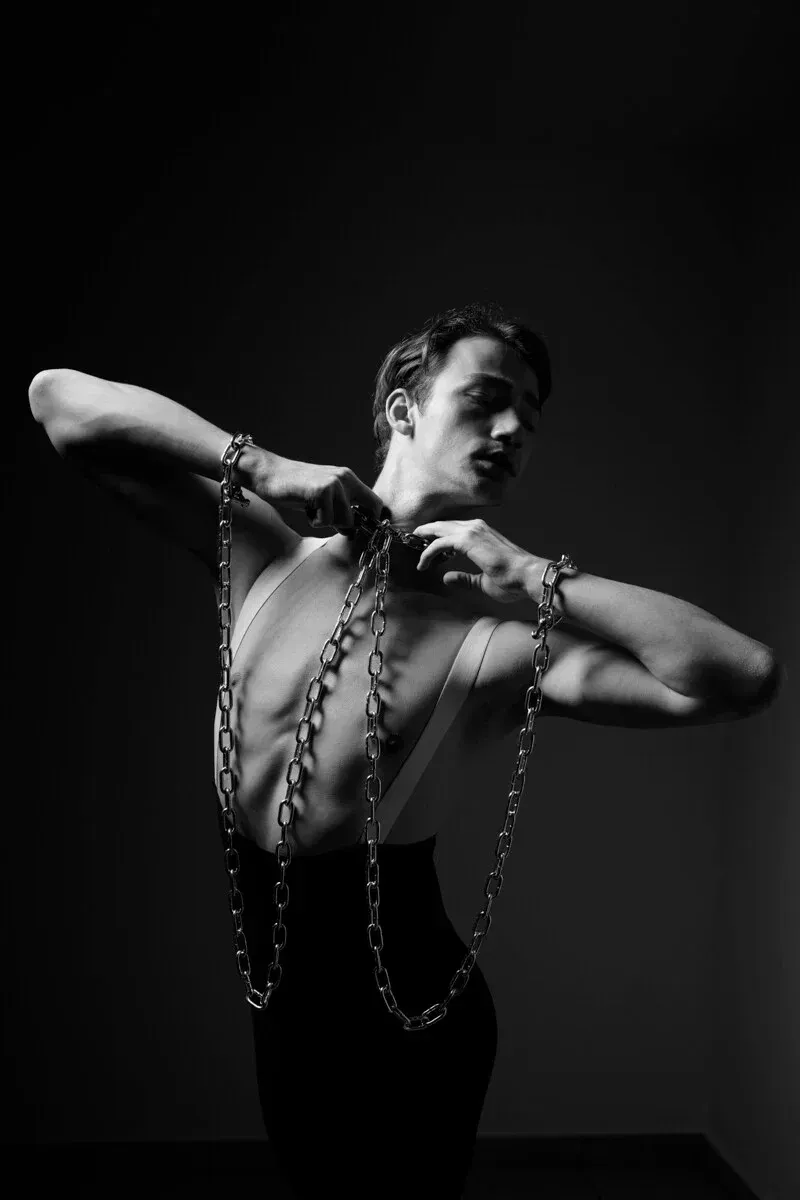
Arjan Spannenburg
BOUND 1
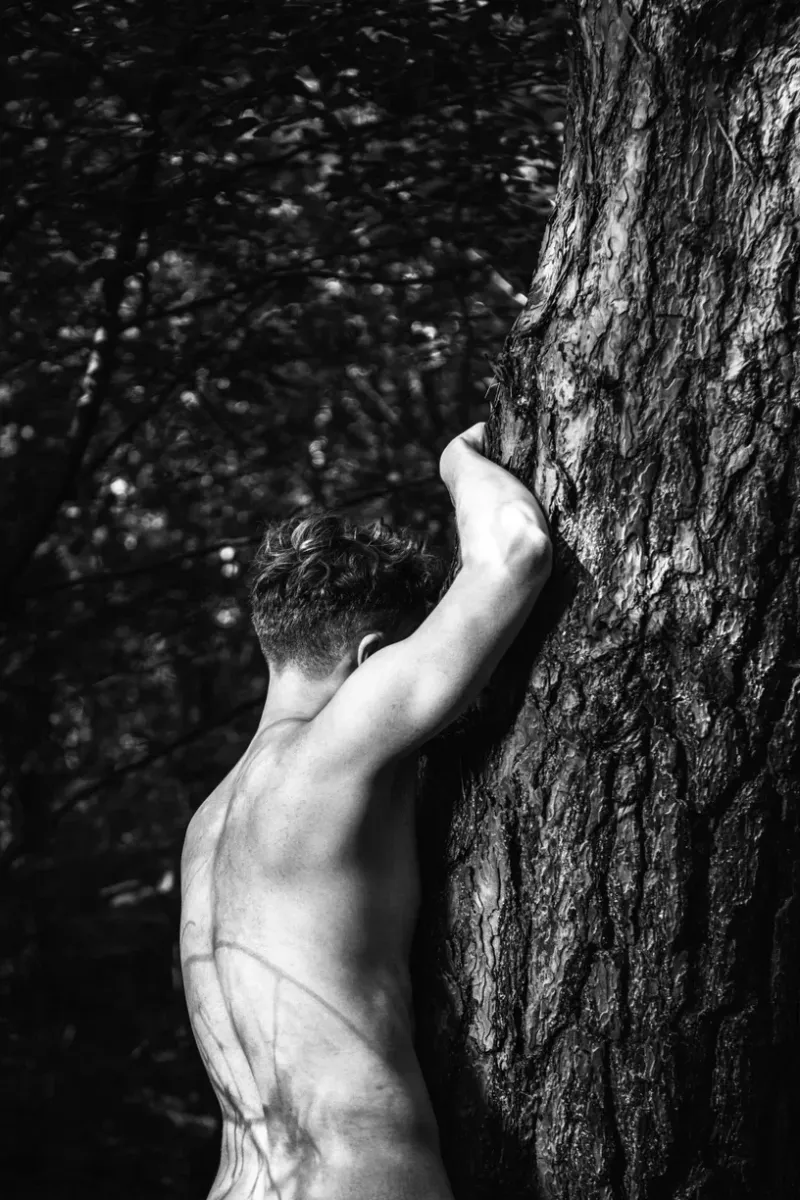
Arjan Spannenburg
REVIVAL
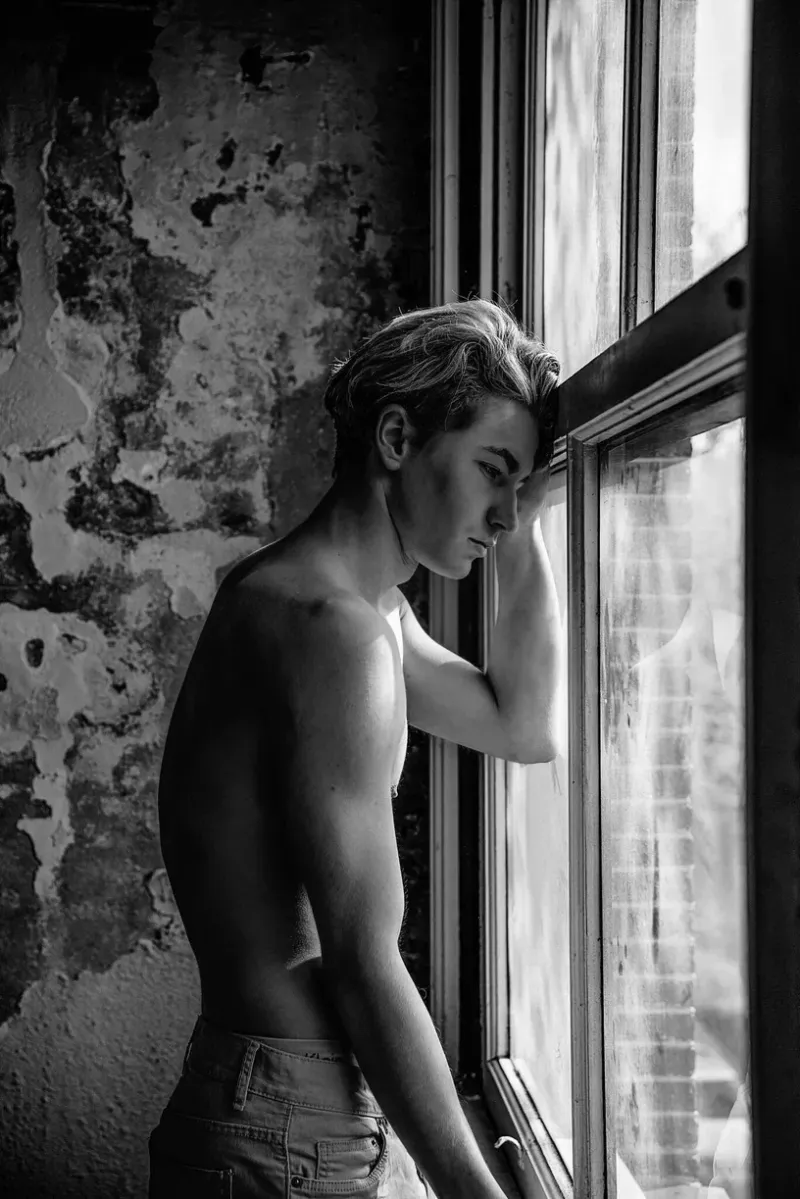
Arjan Spannenburg
INGRAINED
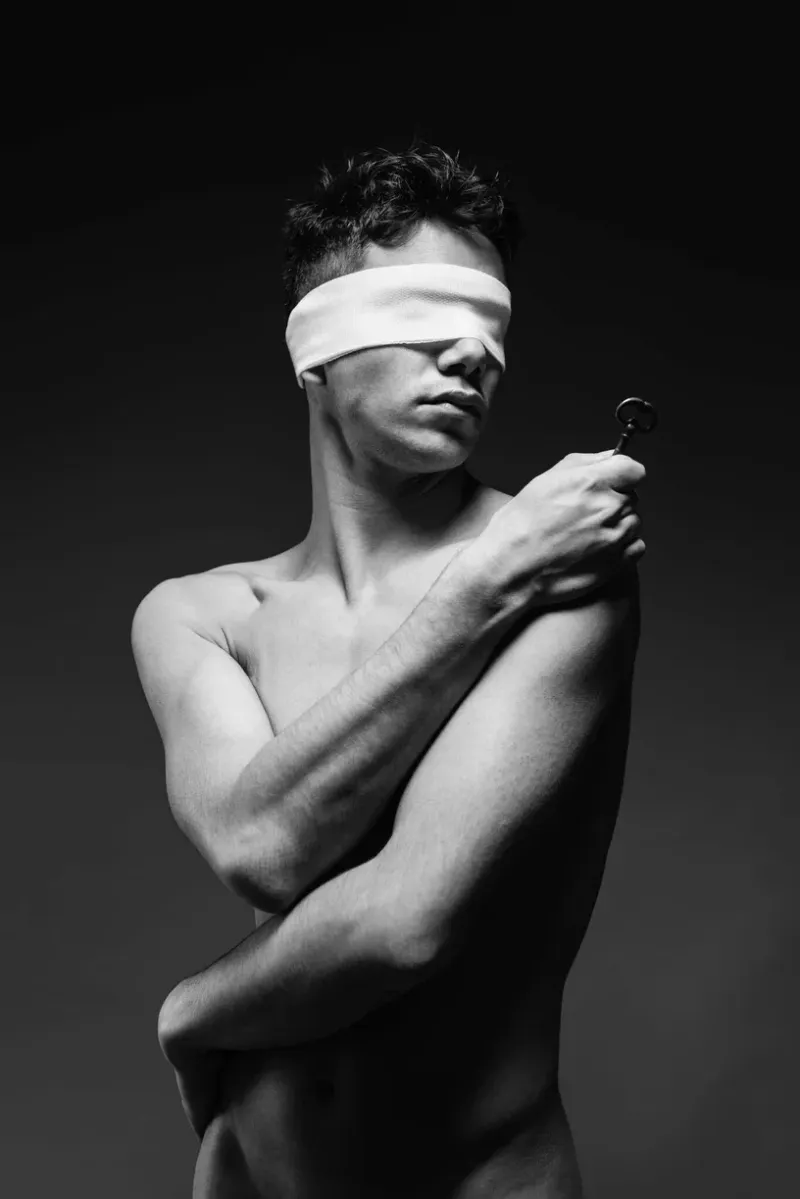
Arjan Spannenburg
BLIND LOVE - TRUST
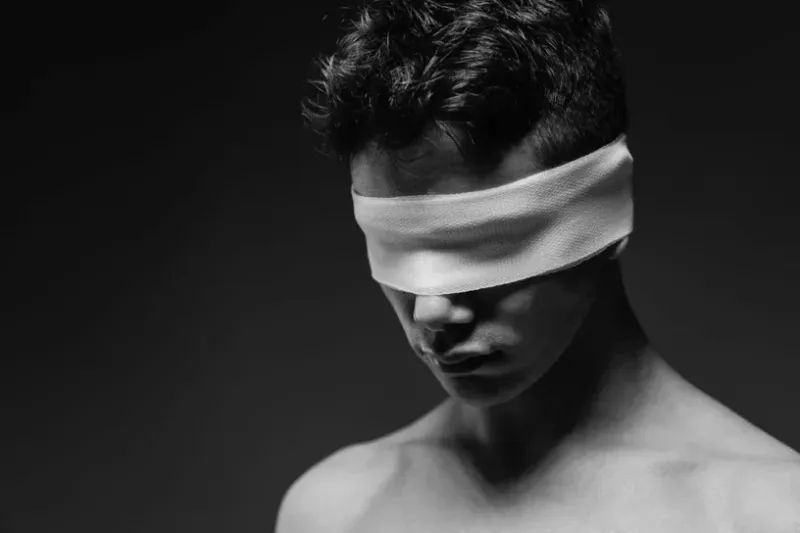
Arjan Spannenburg
BLIND LOVE - SURRENDER
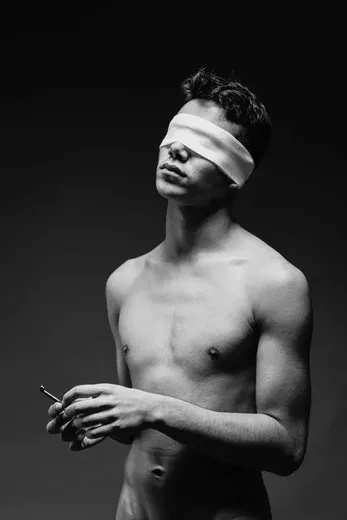
Arjan Spannenburg
BLIND LOVE - CONSIDERATION
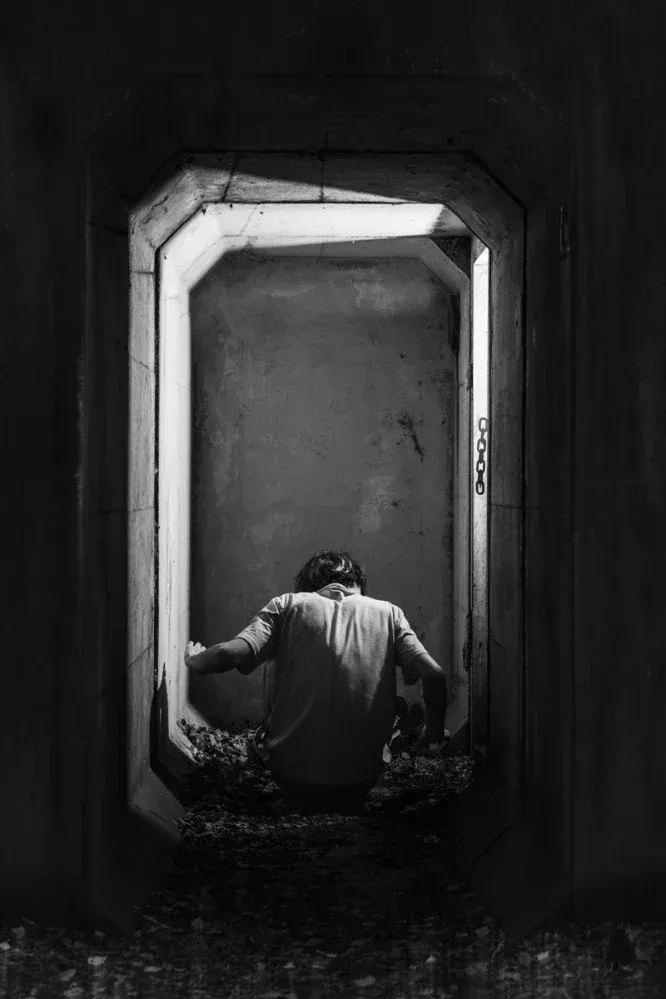
Arjan Spannenburg
SENTIENT

Arjan Spannenburg
TOUCH ME 2 - Inclination
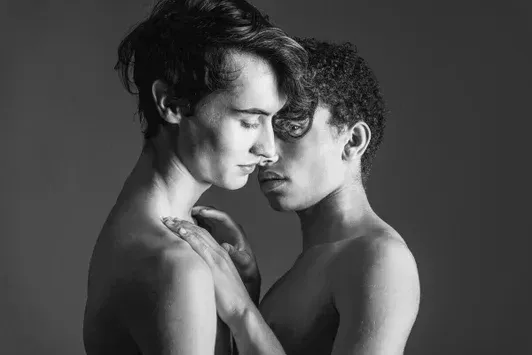
Arjan Spannenburg
TOUCH ME 2 - Propensity
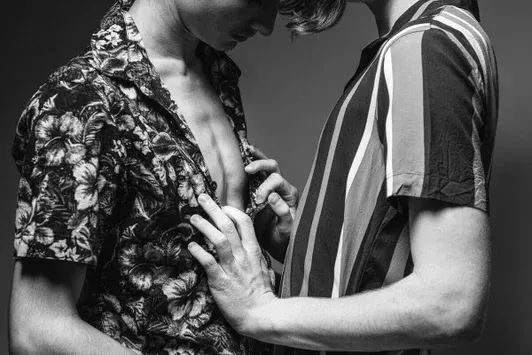
Arjan Spannenburg
TOUCH ME 2 - Tendency

Arjan Spannenburg
TOUCH ME 2 - Velleity

Arjan Spannenburg
COMPELLED - Damian
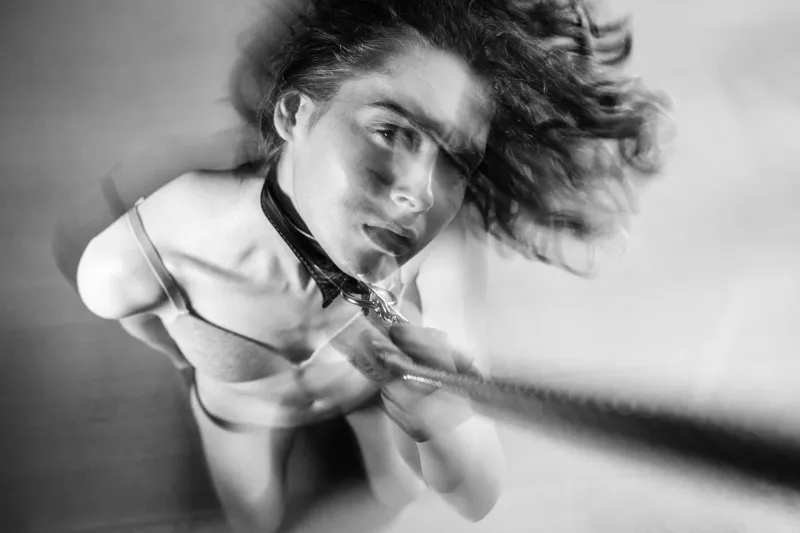
Arjan Spannenburg
COMPELLED - Robin
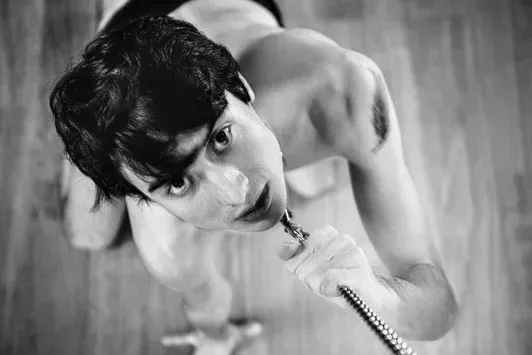
Arjan Spannenburg
COMPELLED - Jaap
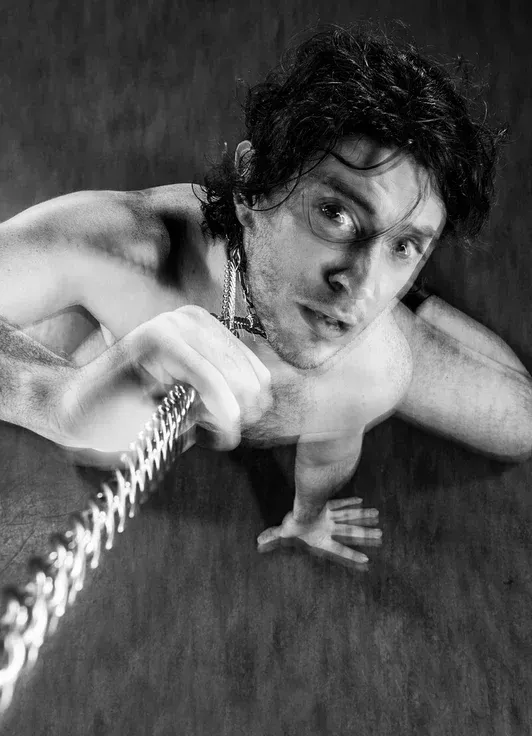
Arjan Spannenburg
COMPELLED - Jacob

Arjan Spannenburg
COMPELLED - Mats
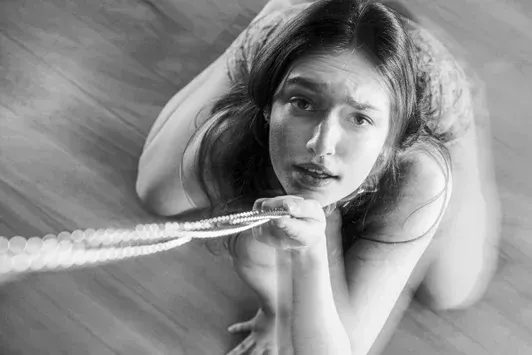
Arjan Spannenburg
COMPELLED - Charlotte
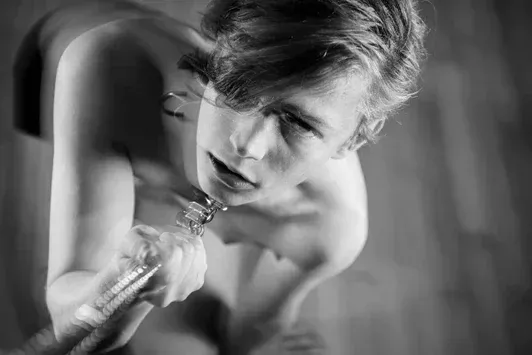
Arjan Spannenburg
COMPELLED - Thijs
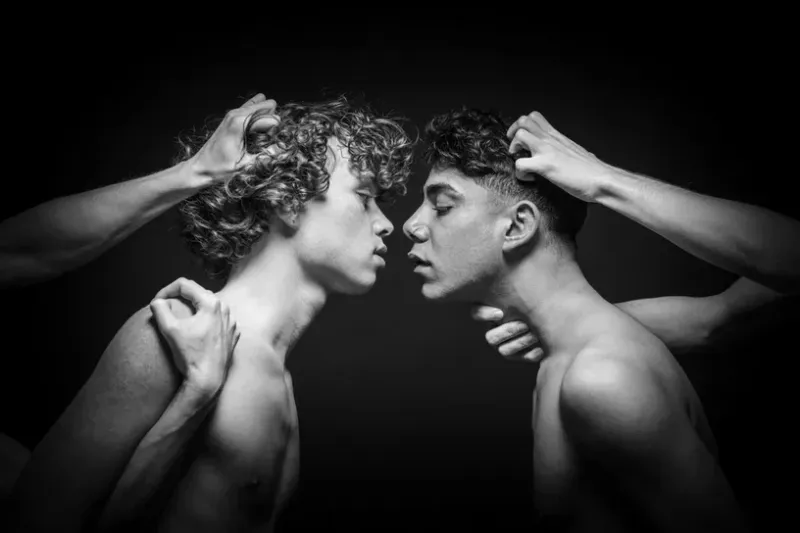
Arjan Spannenburg
RESTRAINT 3
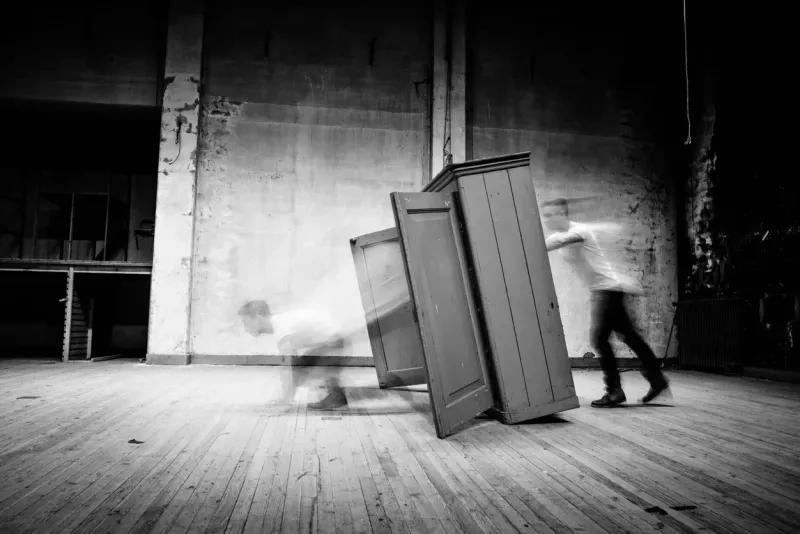
Arjan Spannenburg
COMING OUT
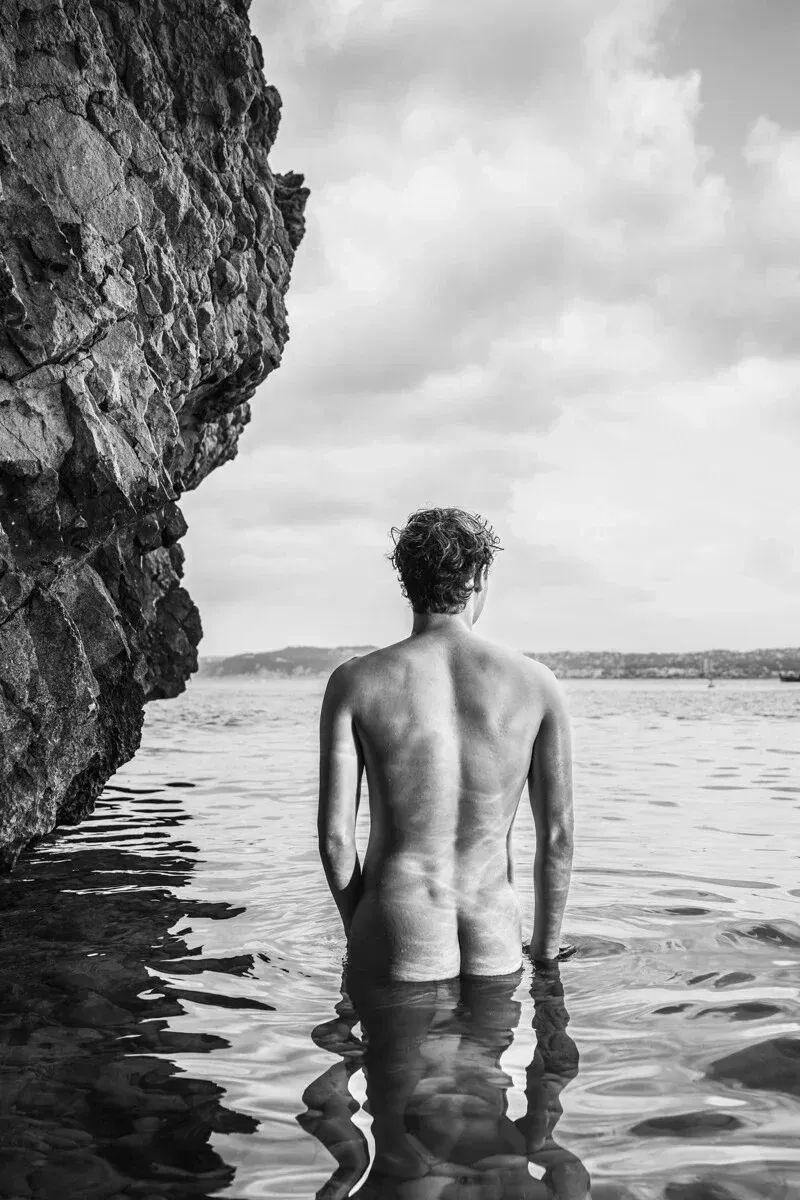
Arjan Spannenburg
CAPTIVATION
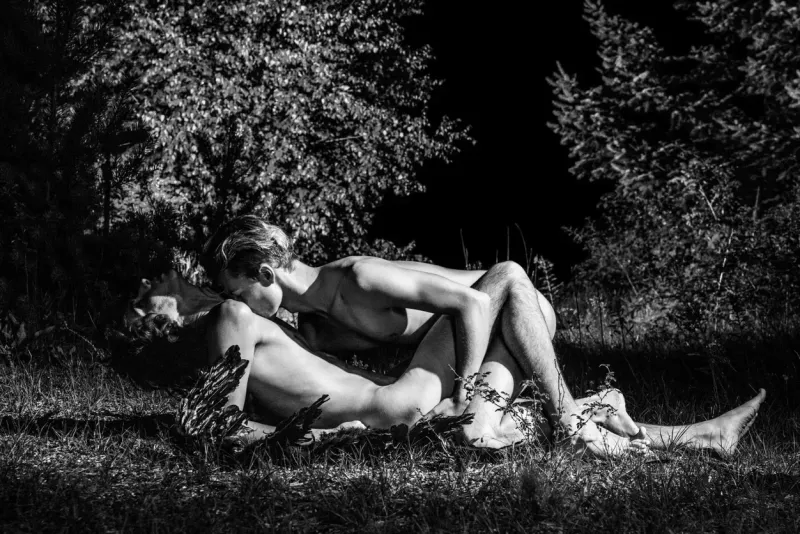
Arjan Spannenburg
ESCAPADE
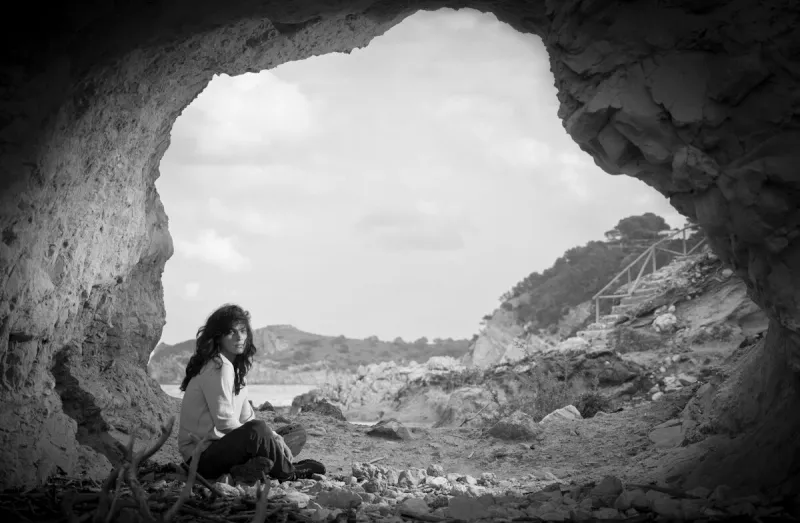
Arjan Spannenburg
SANCTUARY
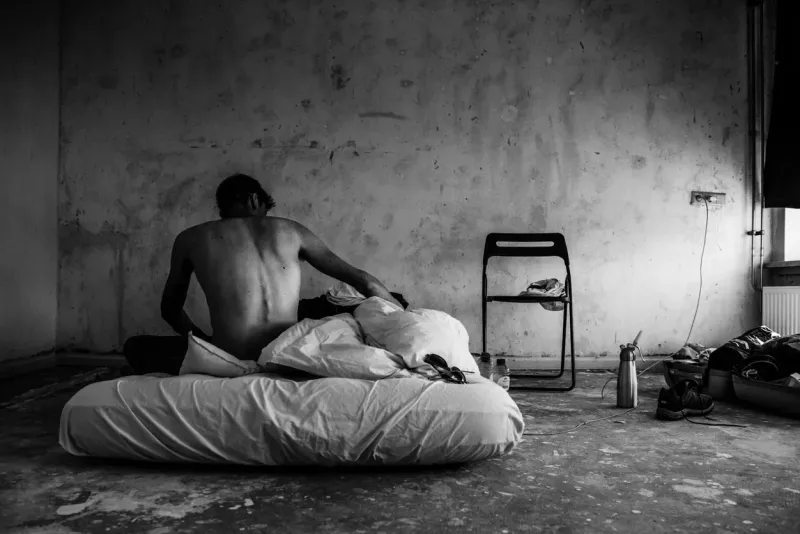
Arjan Spannenburg
OUTCAST
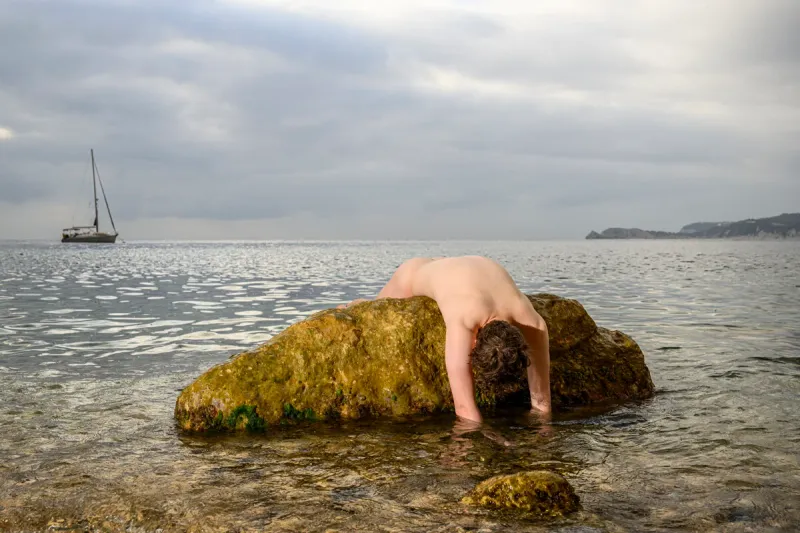
Arjan Spannenburg
SIREN 3/3

Arjan Spannenburg
SIREN 2/3
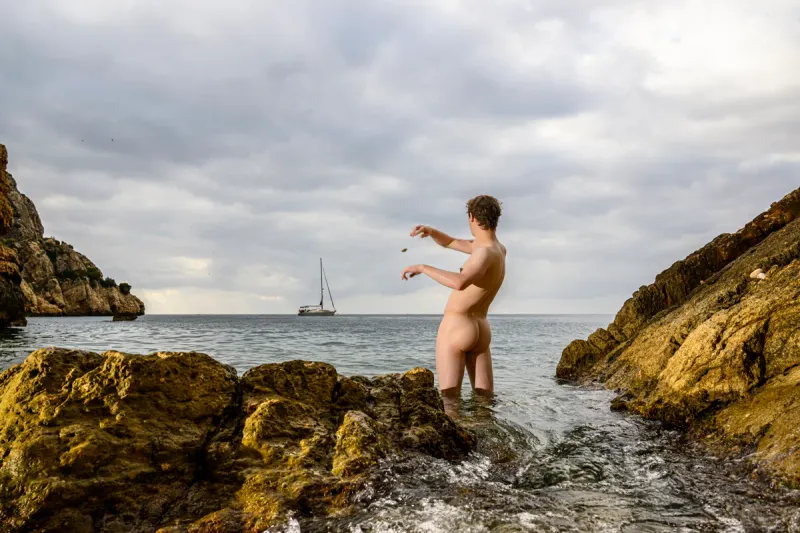
Arjan Spannenburg
SIREN 1/3
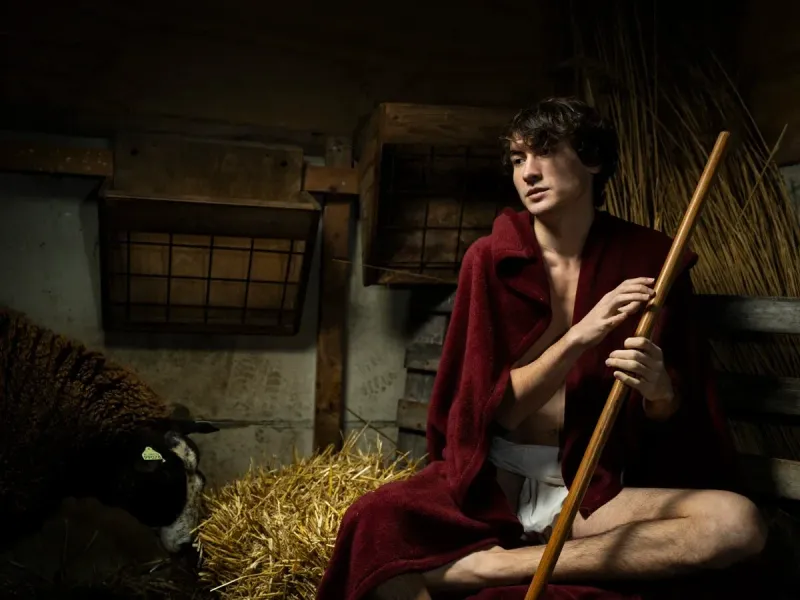
Arjan Spannenburg
JOHN THE BAPTIST - The Red Mantle
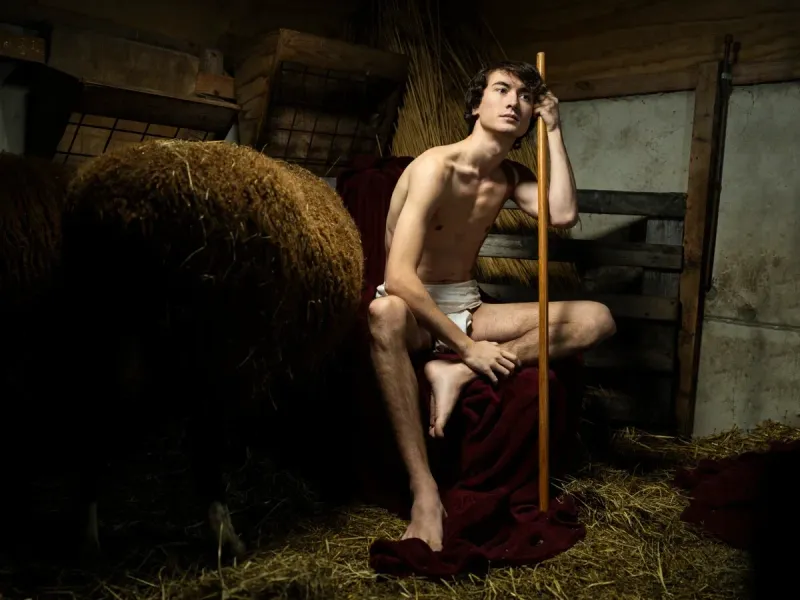
Arjan Spannenburg
JOHN THE BAPTIST - Presence
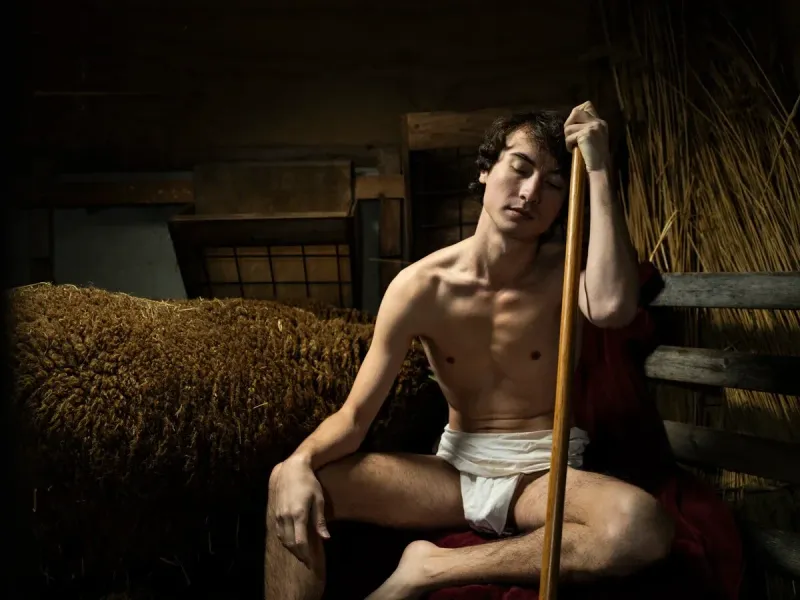
Arjan Spannenburg
JOHN THE BAPTIST - The Weight of the Word
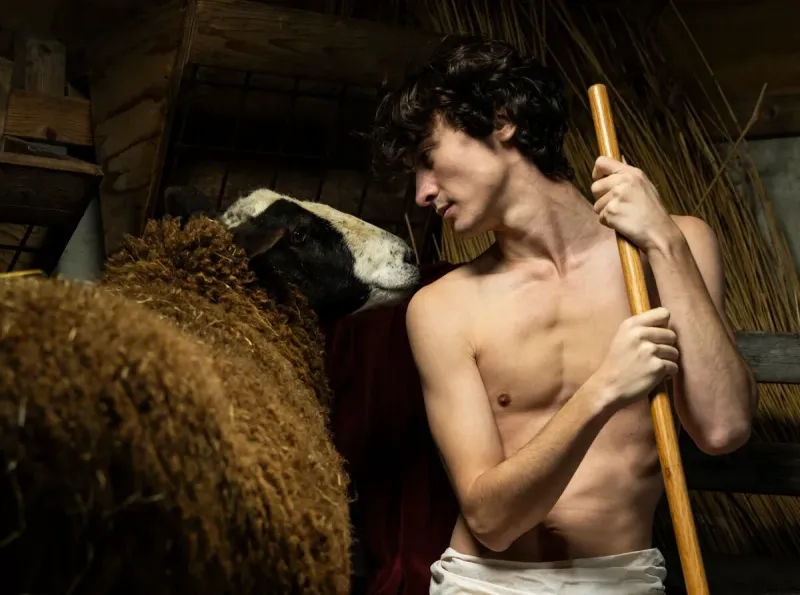
Arjan Spannenburg
JOHN THE BAPTIST - The Shepherd's Gaze
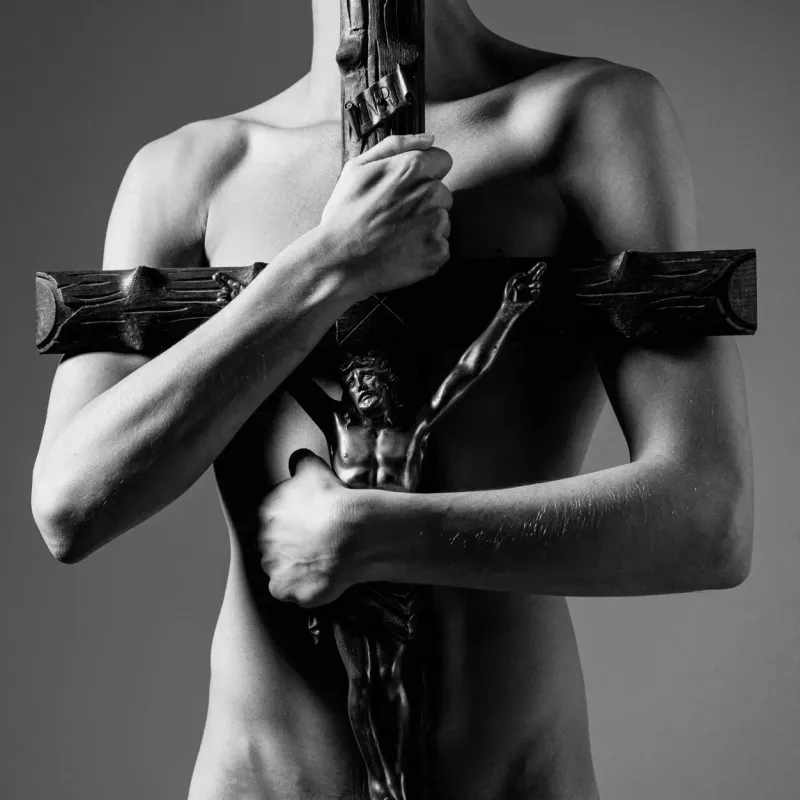
Arjan Spannenburg
SEGREGATION

Arjan Spannenburg
EROSION
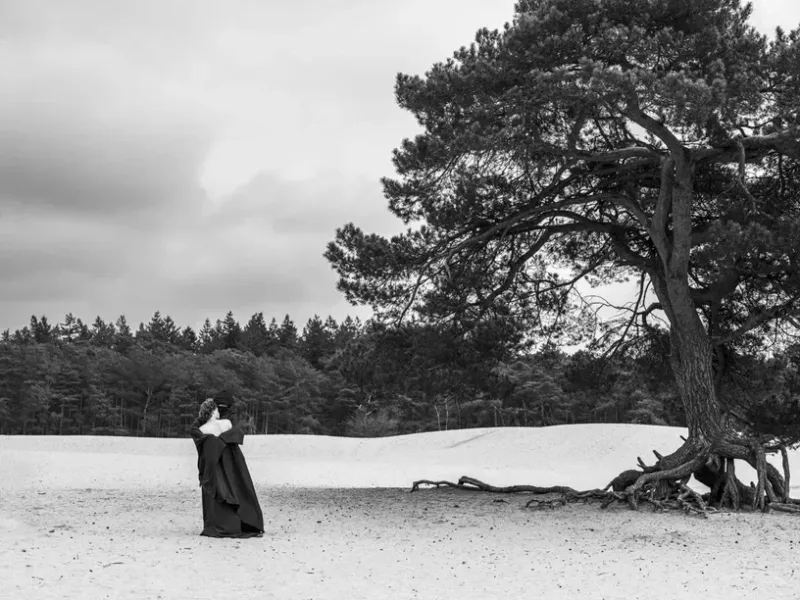
Arjan Spannenburg
ROOTED
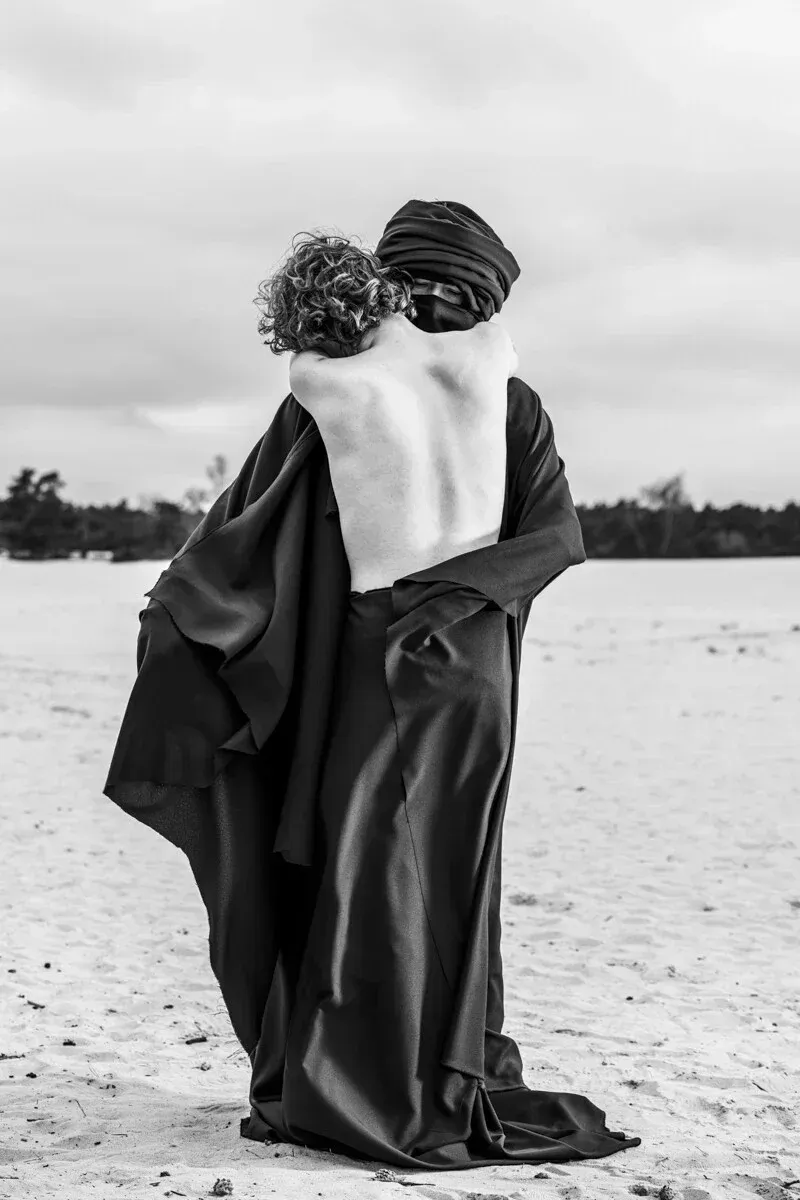
Arjan Spannenburg
SOLACE
Fine art photography represents the intentional transition from documenting a moment to crafting a visionary experience. Unlike commercial or journalistic imagery, which serves external narratives, fine art is rooted in the artist’s subjective perspective. It is a medium where the camera functions not as a mere mirror of reality, but as a paintbrush—a tool used to translate internal concepts, emotions, and philosophies into a tangible visual form. Whether rendered in vibrant color or timeless monochrome, these works are unified by a pursuit of "structural truth" rather than literal depiction.
Cultural and Artistic Significance
In an era saturated by "disposable" digital content, fine art photography serves as a vital cultural pause—a deliberate slowing down of visual consumption. By elevating photography to the status of fine art, we acknowledge that a captured frame possesses the same narrative depth and archival value as a classical painting. Historically, this genre challenged the art world to redefine "truth" by proving that through the mastery of light, form, and texture, a photographer can strip away the mundane to reveal the extraordinary.
The Power of Tone and Hue
In this category, the choice between color and monochrome dictates the emotional vocabulary of the work:
- Monochrome: By stripping away the distraction of the color spectrum, monochrome forces a focus on the fundamental building blocks of an image—compositional geometry, contrast, and dramatic chiaroscuro.
- Color: Where monochrome highlights structure, color dictates mood through luminance and vibrancy, offering a different layer of interpretive depth.
Why Fine Art Matters
For the collector, fine art photography offers an interpretive bridge that asks the viewer how to feel rather than simply what to see. It matters because it transcends time, avoiding fleeting trends by focusing on the eternal interplay of light and shadow. Ultimately, these works provide a focal point of "visual silence," inviting us to look closer, stay longer, and see deeper into the essence of the subject.